

Expert knowledge and genuine care to help you relieve pain, restore strength, and achieve your health goals.
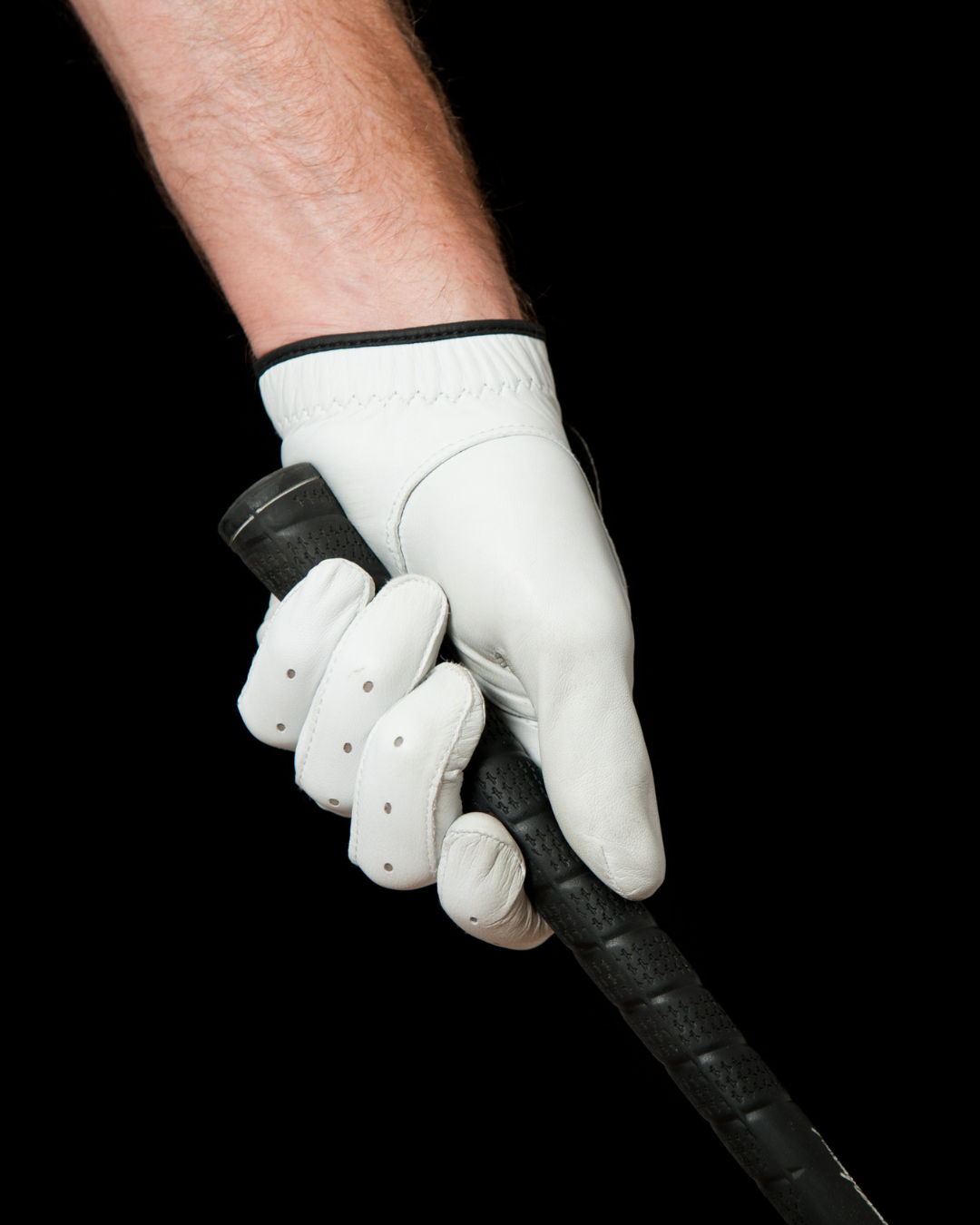
Whether you play tennis, golf, cricket, basketball or lift weights, taking a few simple steps can help reduce your risk of wrist pain and sports injuries.

If wrist pain is affecting your daily life, work or sport, our physiotherapy team can help. Book an appointment at The Physio Crew in Carlton, Tullamarine or Keilor Downs today.
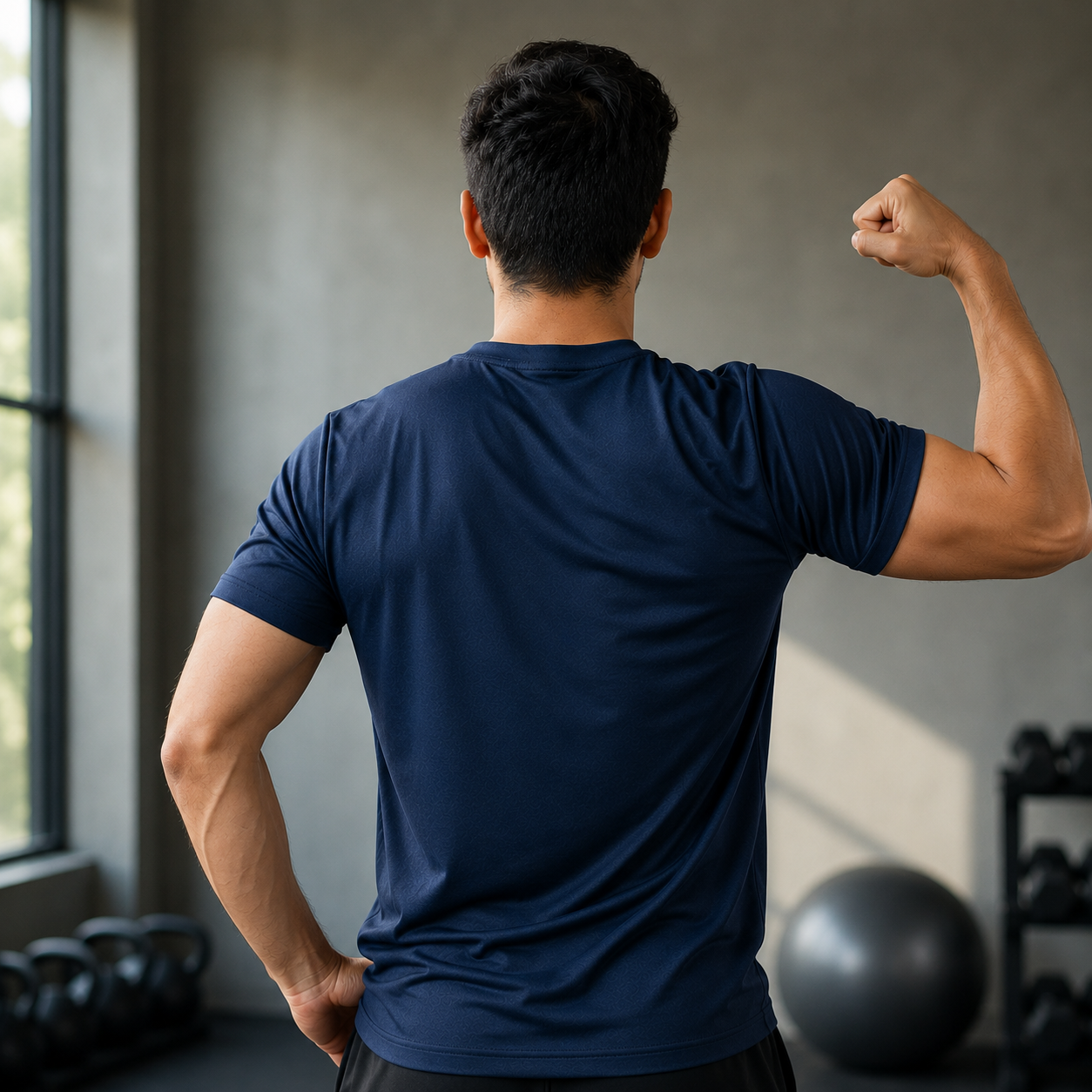
Final part of our shoulder series: once you know what's driving your pain, how do you actually get back to sport, training, or lifting, and make it stick for good?
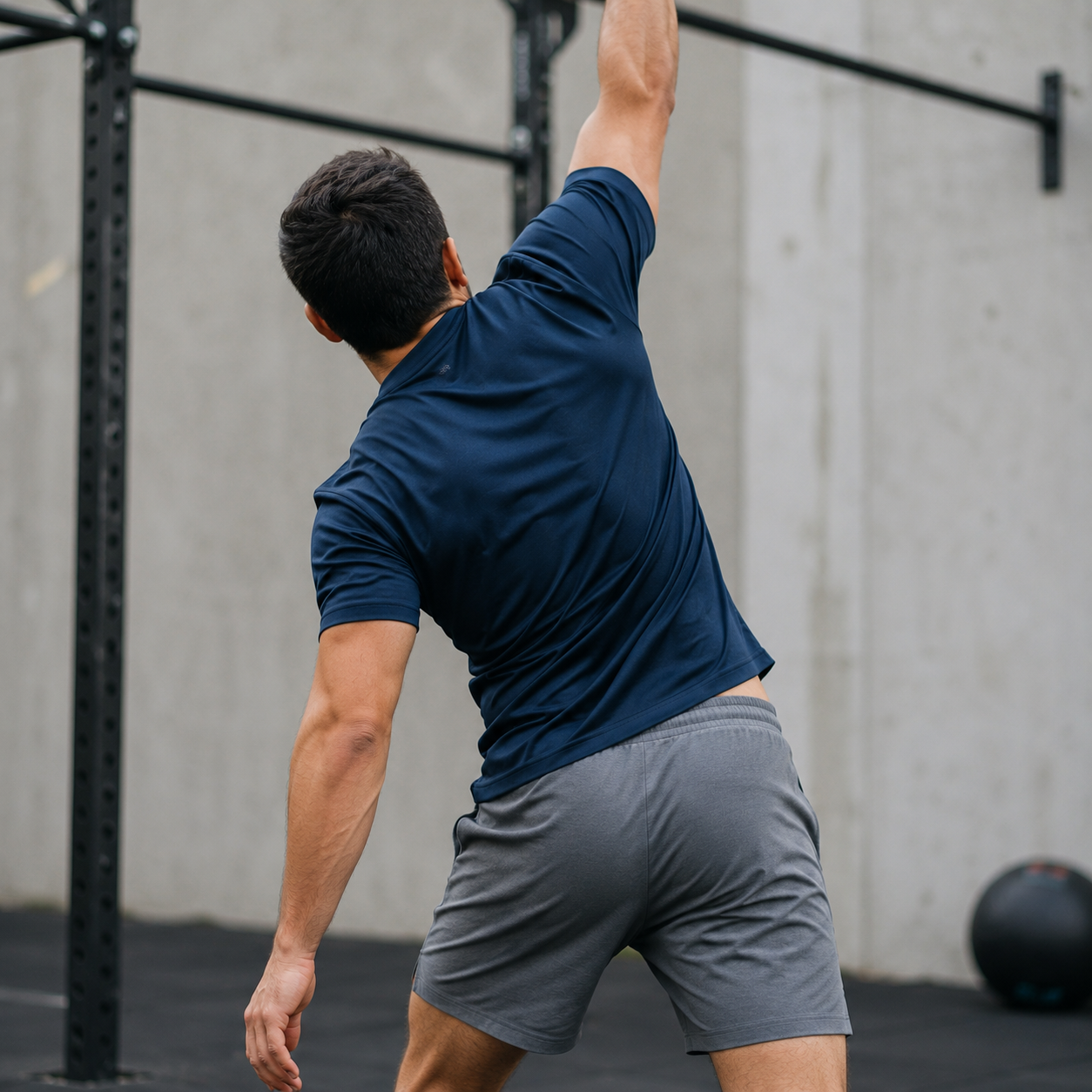
Part 4 of our shoulder series: shoulder pain often doesn't start in the joint. We zoom out to look at how hip and core control shapes shoulder injuries and recovery.
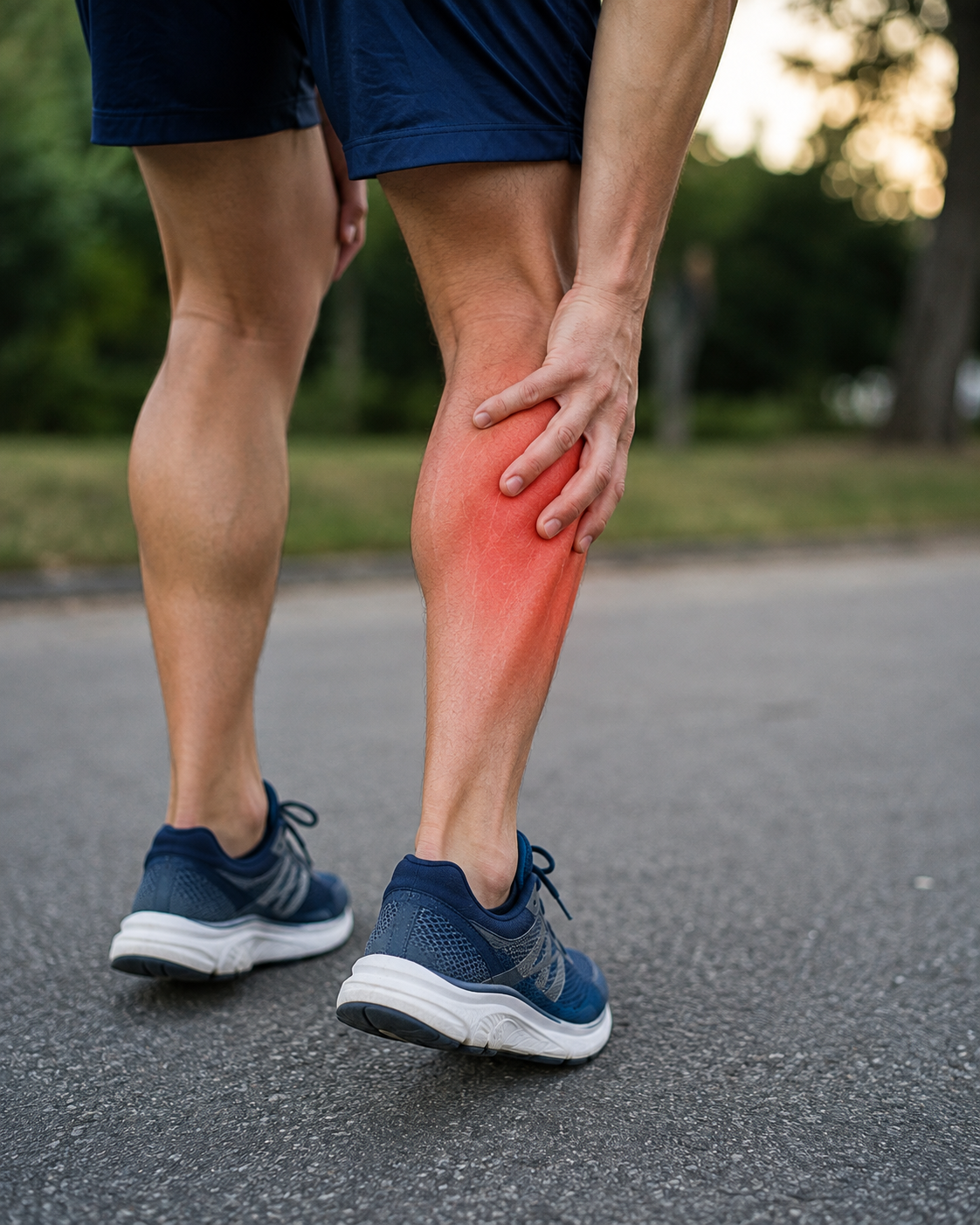
This article covers what a calf strain is, why it happens, why the gastrocnemius and soleus need different rehab approaches, and what it takes to get back to sport without a repeat injury.
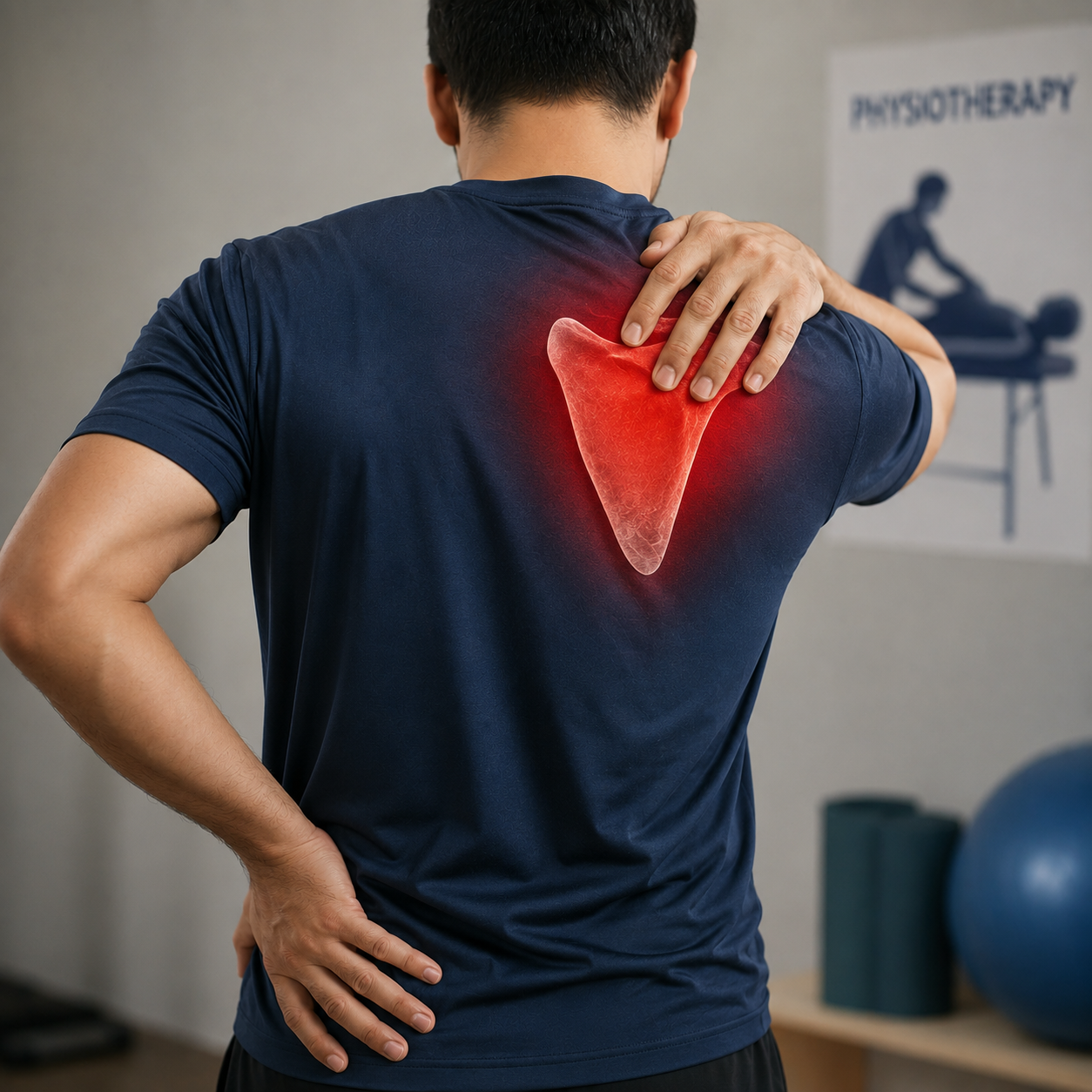
The shoulder blade quietly controls the joint, but rehab often ignores it since pain shows elsewhere. Poor scapular control feeds instability and impingement, so we assess and retrain it properly.
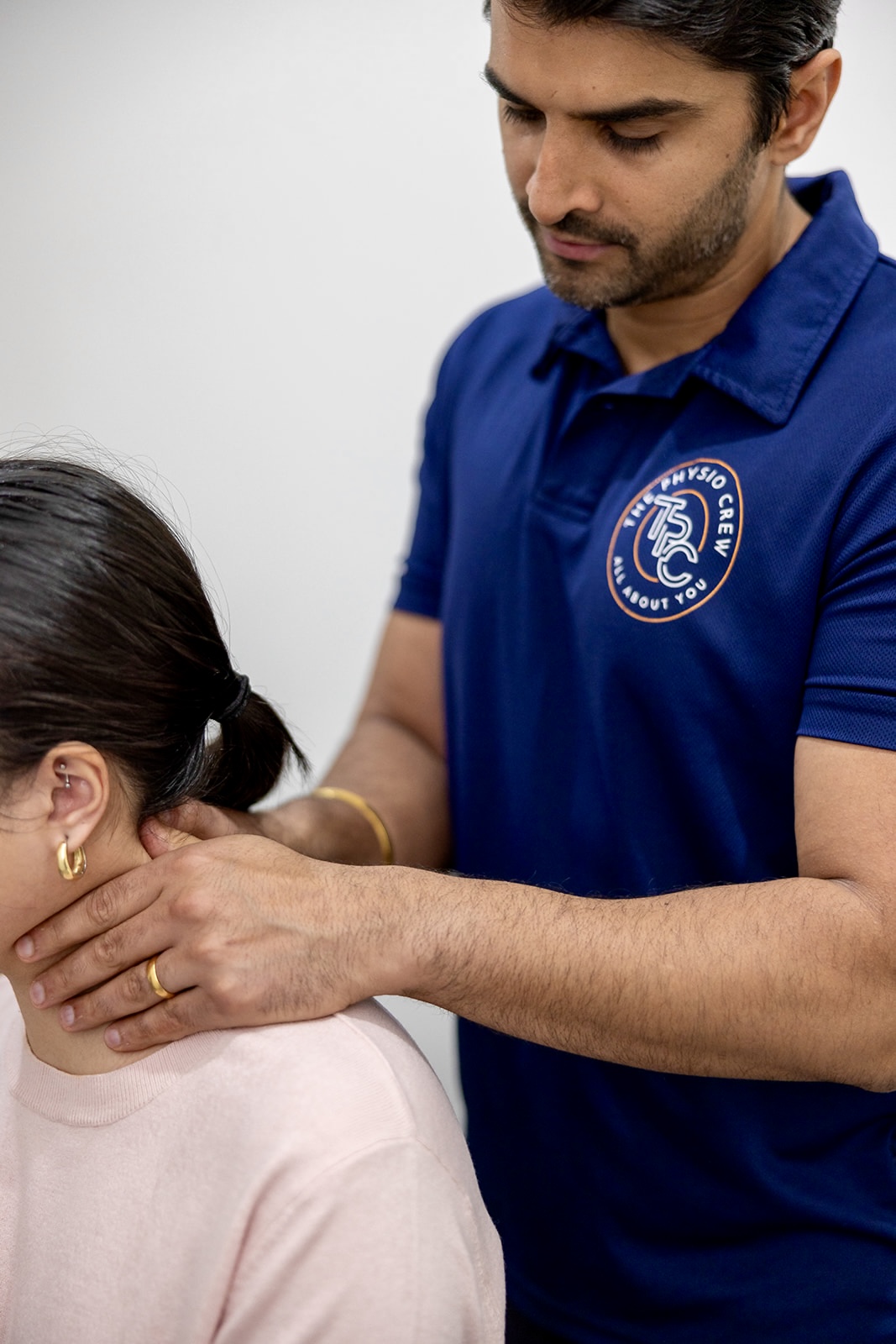
Persistent neck pain or stiffness? The Physio Crew offers expert neck pain physiotherapy across Tullamarine, Carlton and Keilor Downs. Book a cervical spine assessment today.
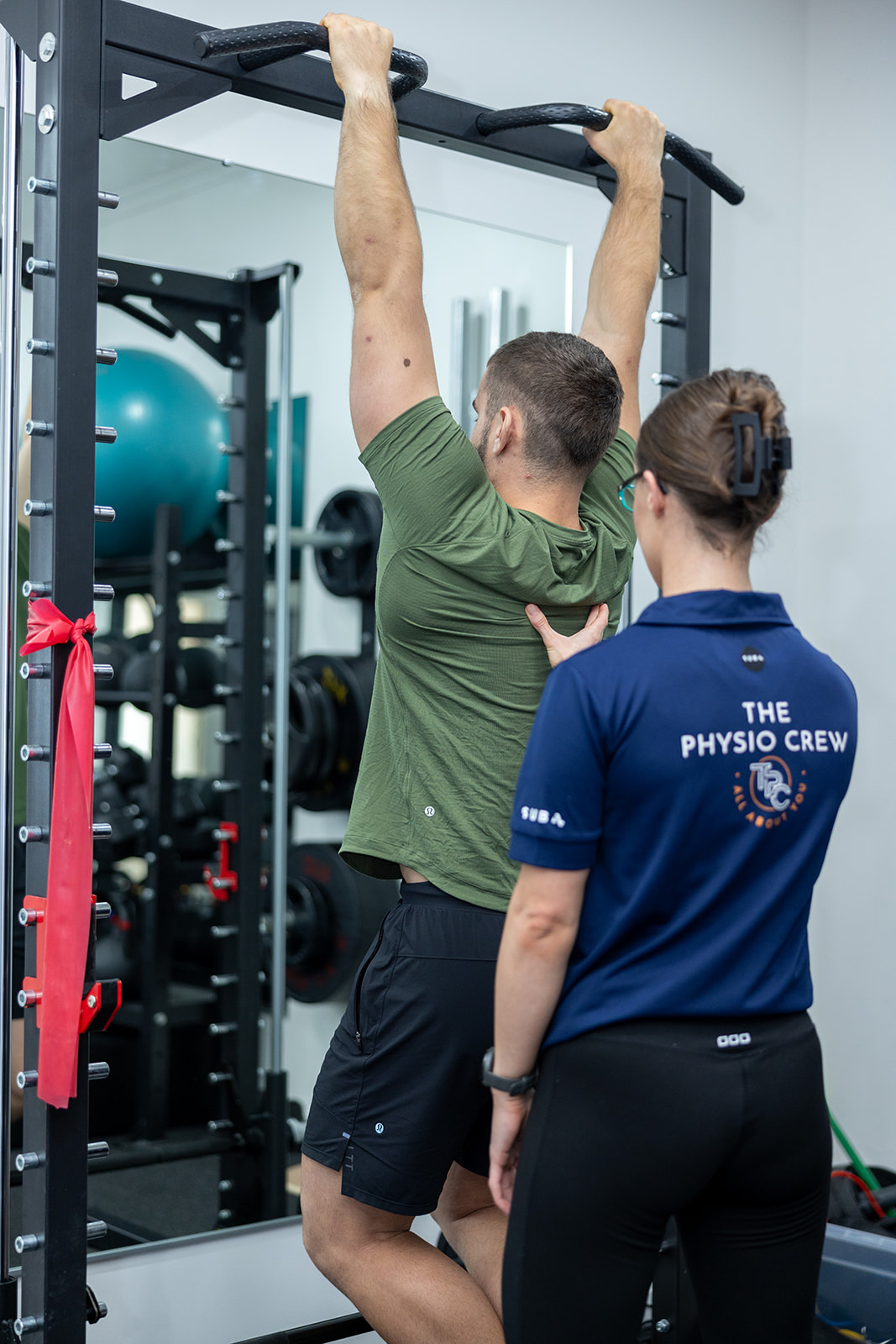
Shoulder impingement and rotator cuff tendinopathy rarely stand alone. More often, they are the downstream result of shoulder instability that was never identified, assessed, or properly treated.
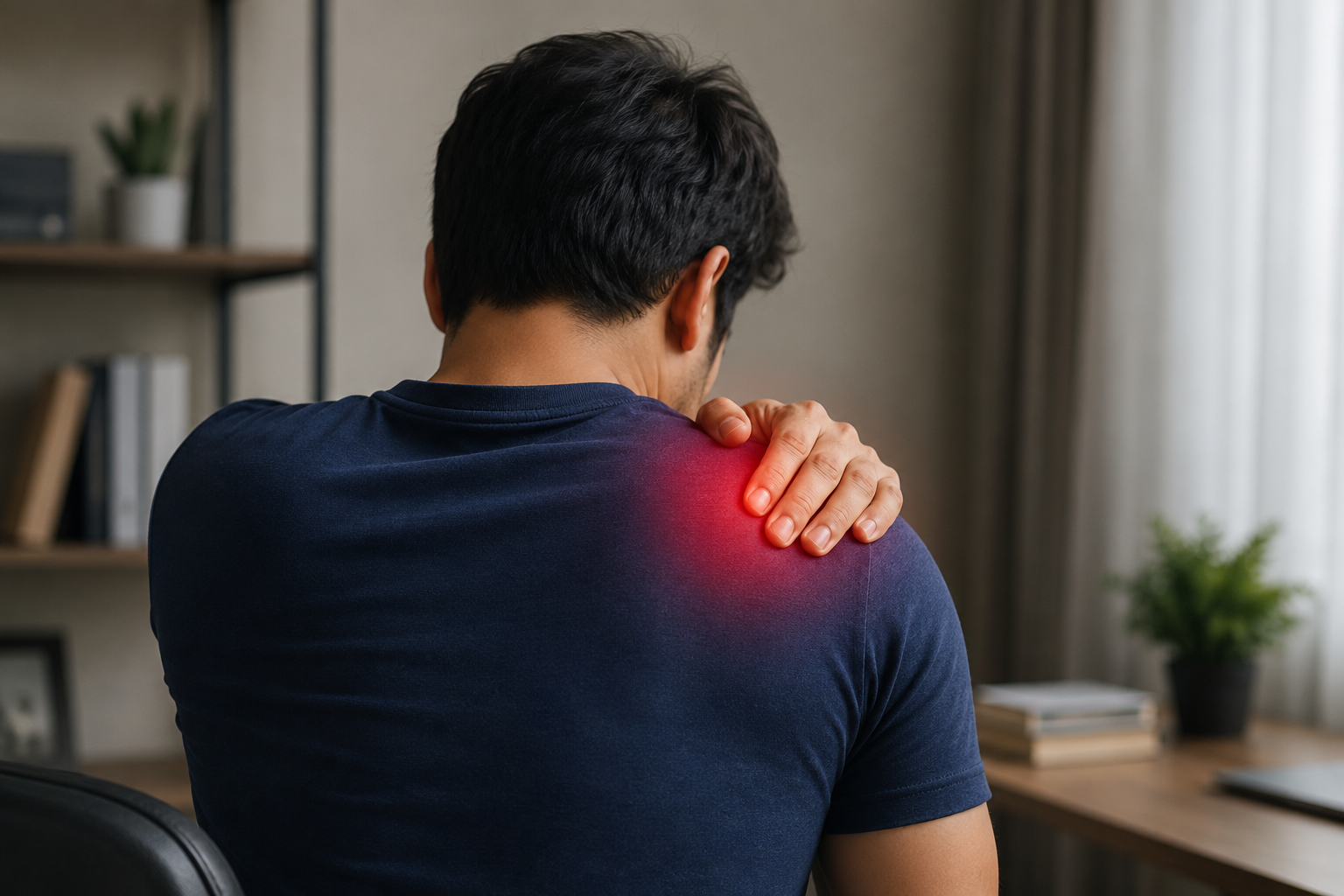
Persistent shoulder pain isn't always a strength problem. Learn how shoulder instability is often overlooked, why rehab plateaus happen, and what effective treatment looks like.
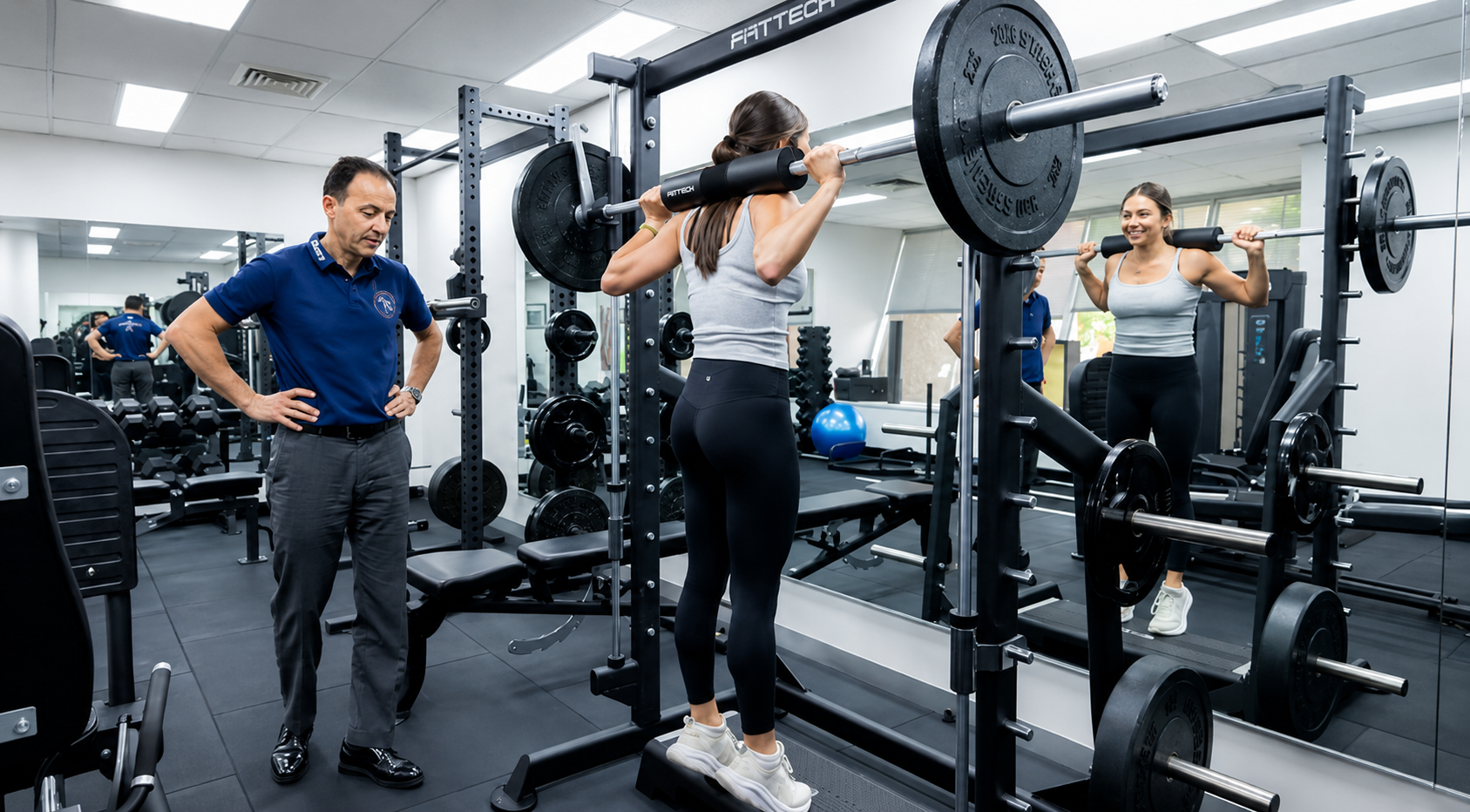
Training for a marathon or playing local footy? Discover how sports physiotherapy Melbourne helps runners and athletes recover faster, prevent injuries, and stay pain-free at The Physio Crew.
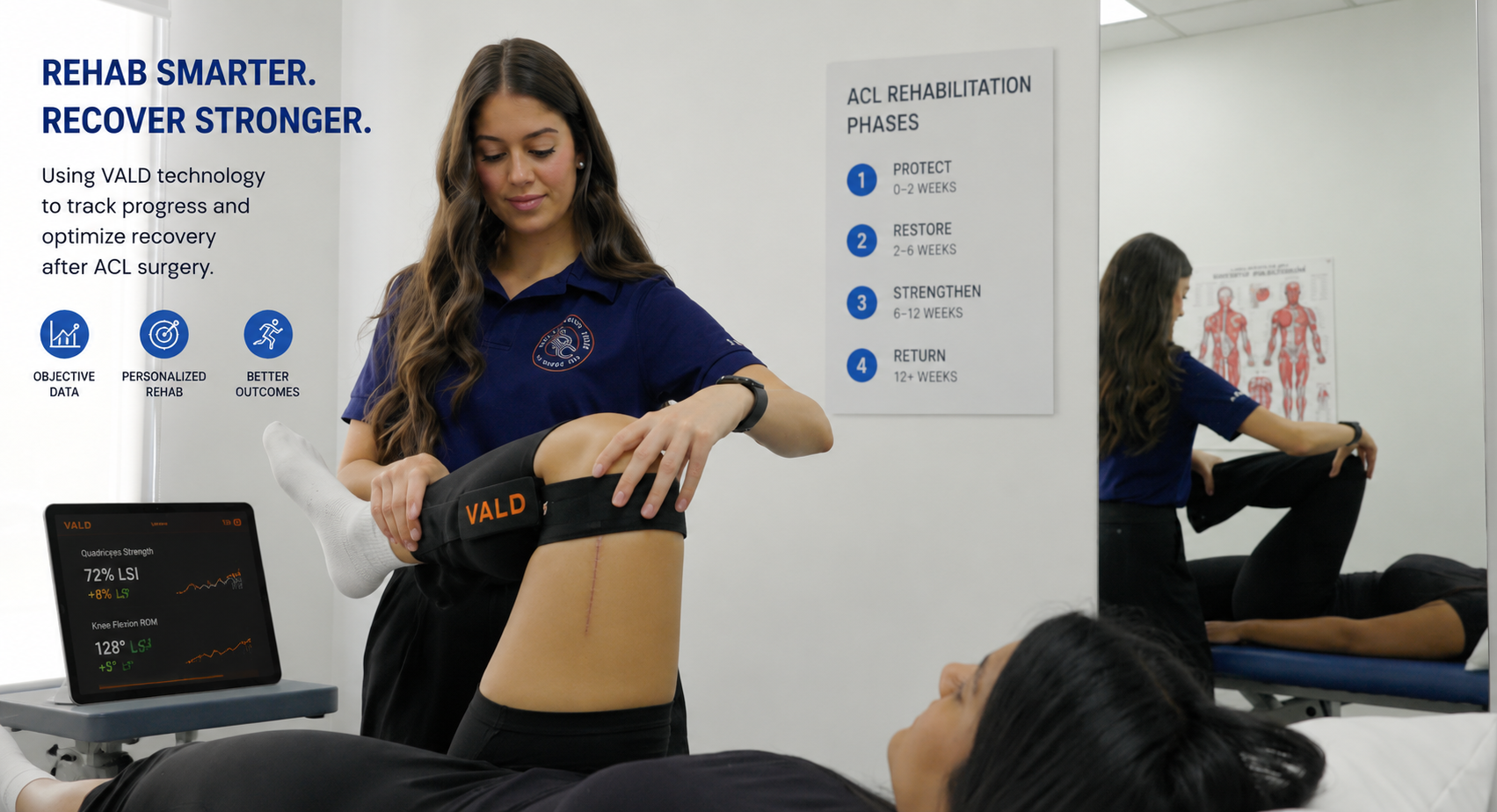
Recovering from ACL surgery, knee replacement or a sports injury? Find out how VALD technology at The Physio Crew helps Melbourne patients recover faster with real data.
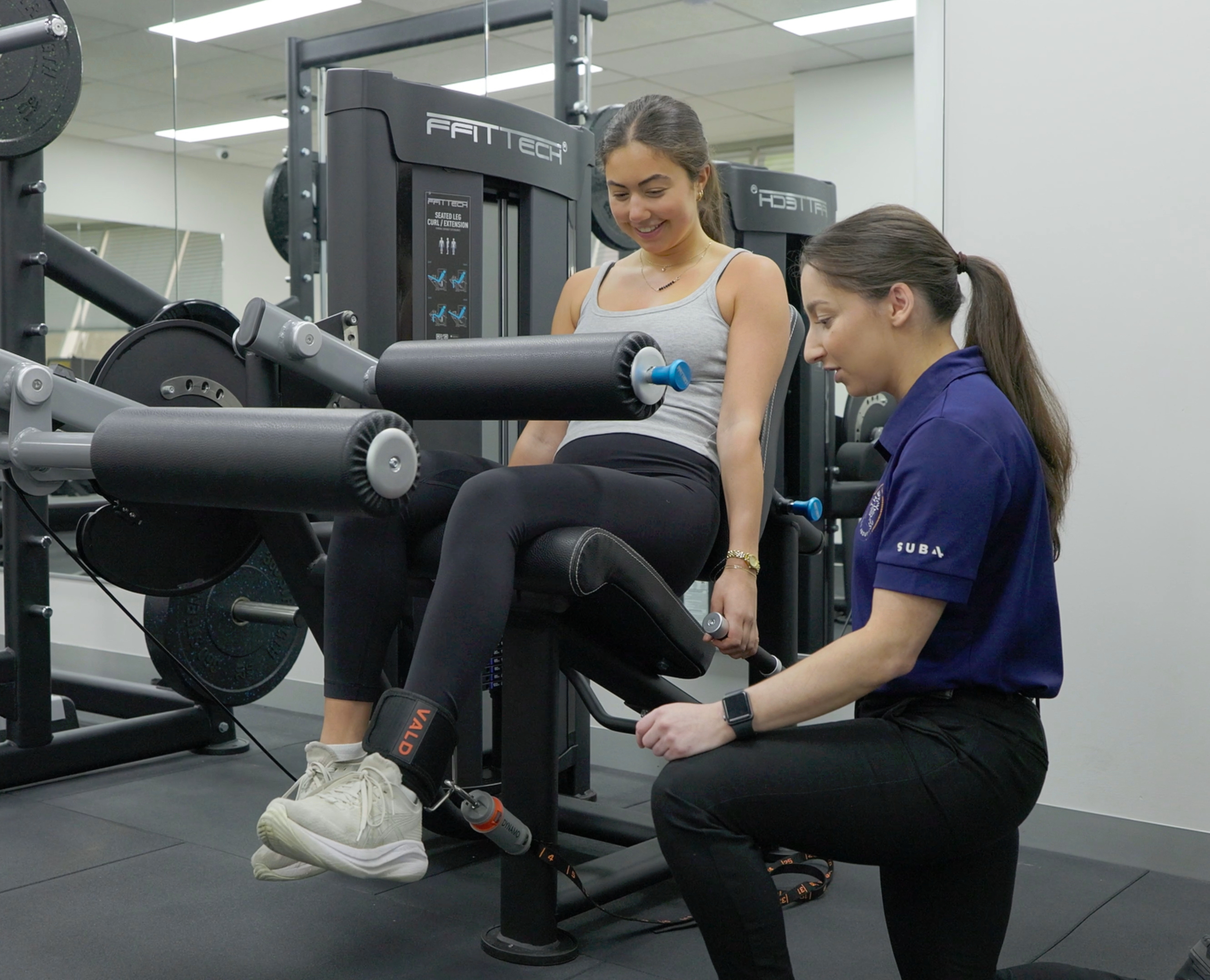
Here's what VALD physiotherapy testing actually measures, how it works, & why Melbourne patients are using it to recover faster from surgery and sports injuries.
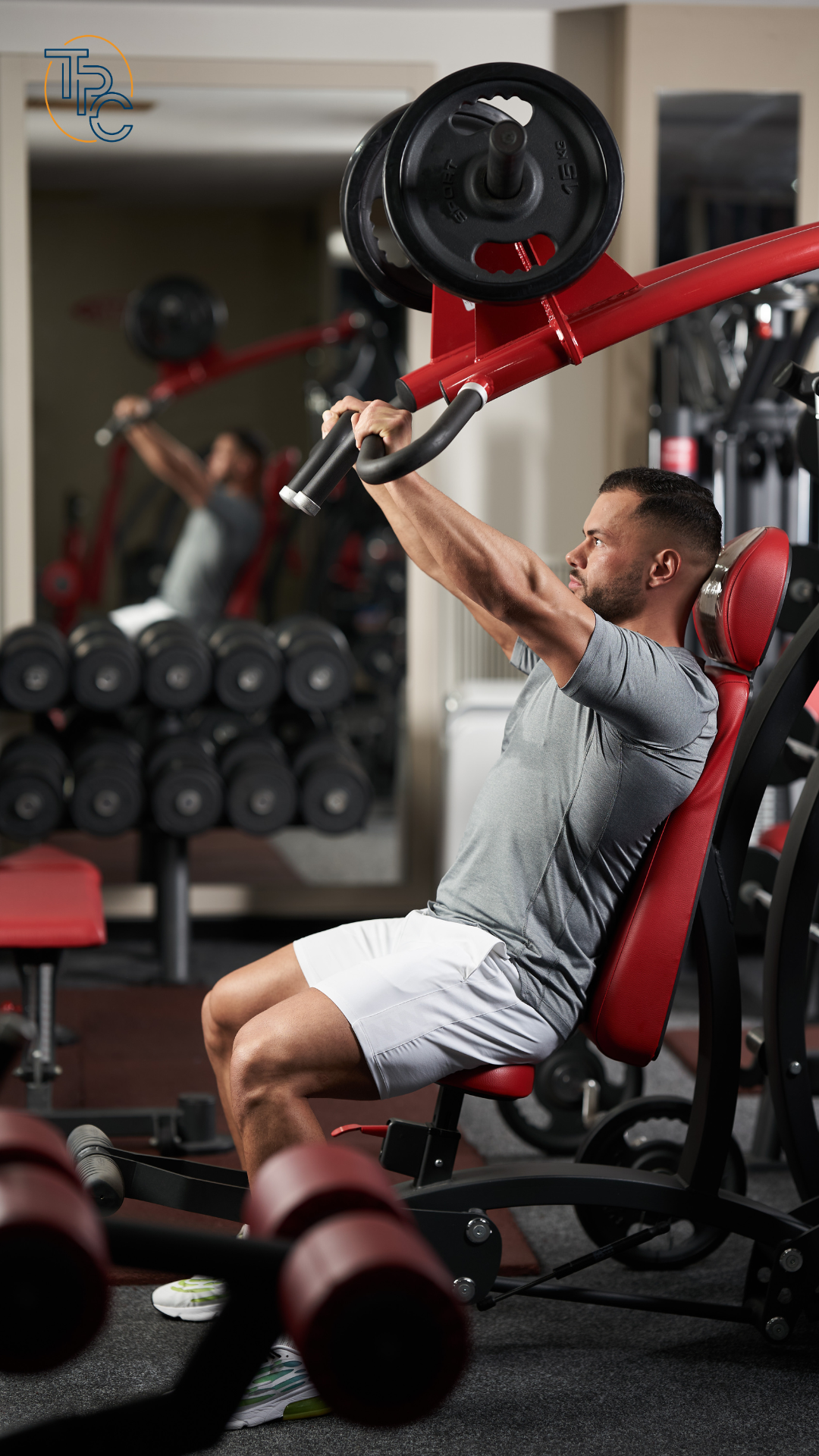
Shoulder pain is one of the most common presentations in physiotherapy. MRI is frequently requested, but evidence highlights that imaging findings often do not correlate with symptoms.
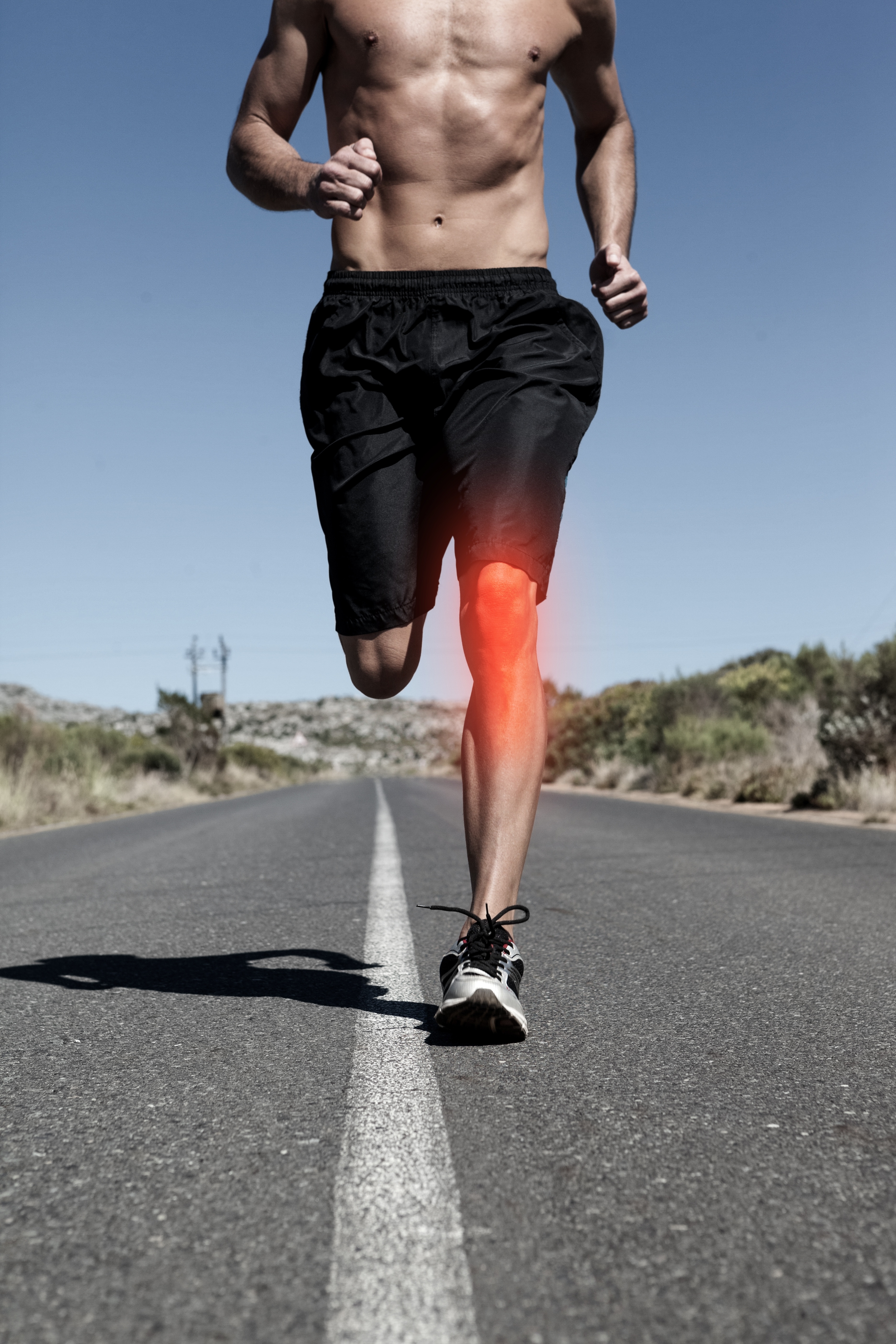
At our physiotherapy clinics in Carlton and Tullamarine, we frequently see running injuries occur when training loads increase too quickly, especially during 1 running session.

If you’re a runner in Melbourne, Carlton or Tullamarine, you’ve probably heard the advice “Don’t increase your distance by more than 10% per week.” But is that actually what causes running injuries?
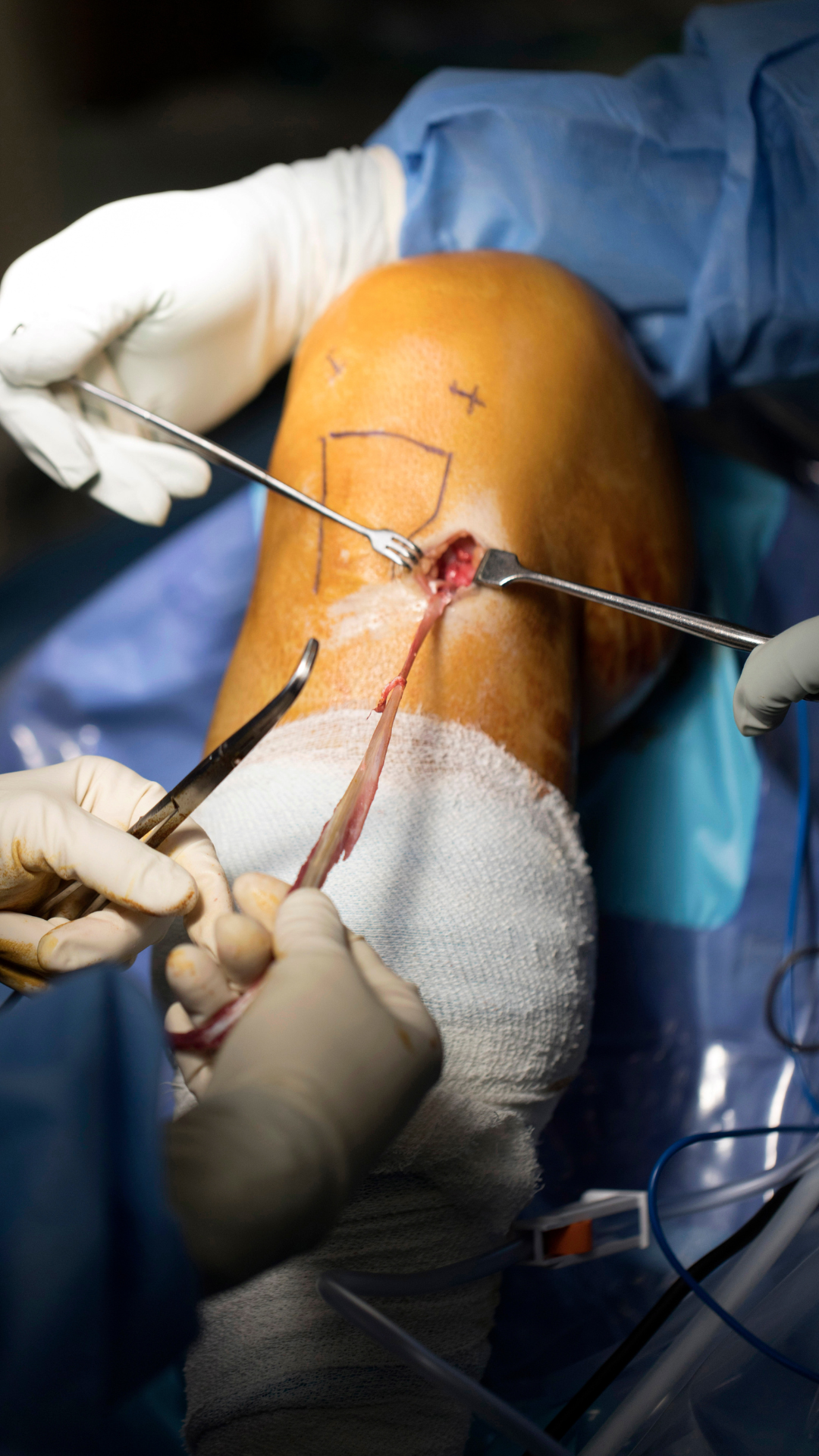
Whether you've had a joint replacement, ligament reconstruction, tendon repair or spinal surgery, structured physiotherapy plays a crucial role in regaining strength, mobility and confidence.
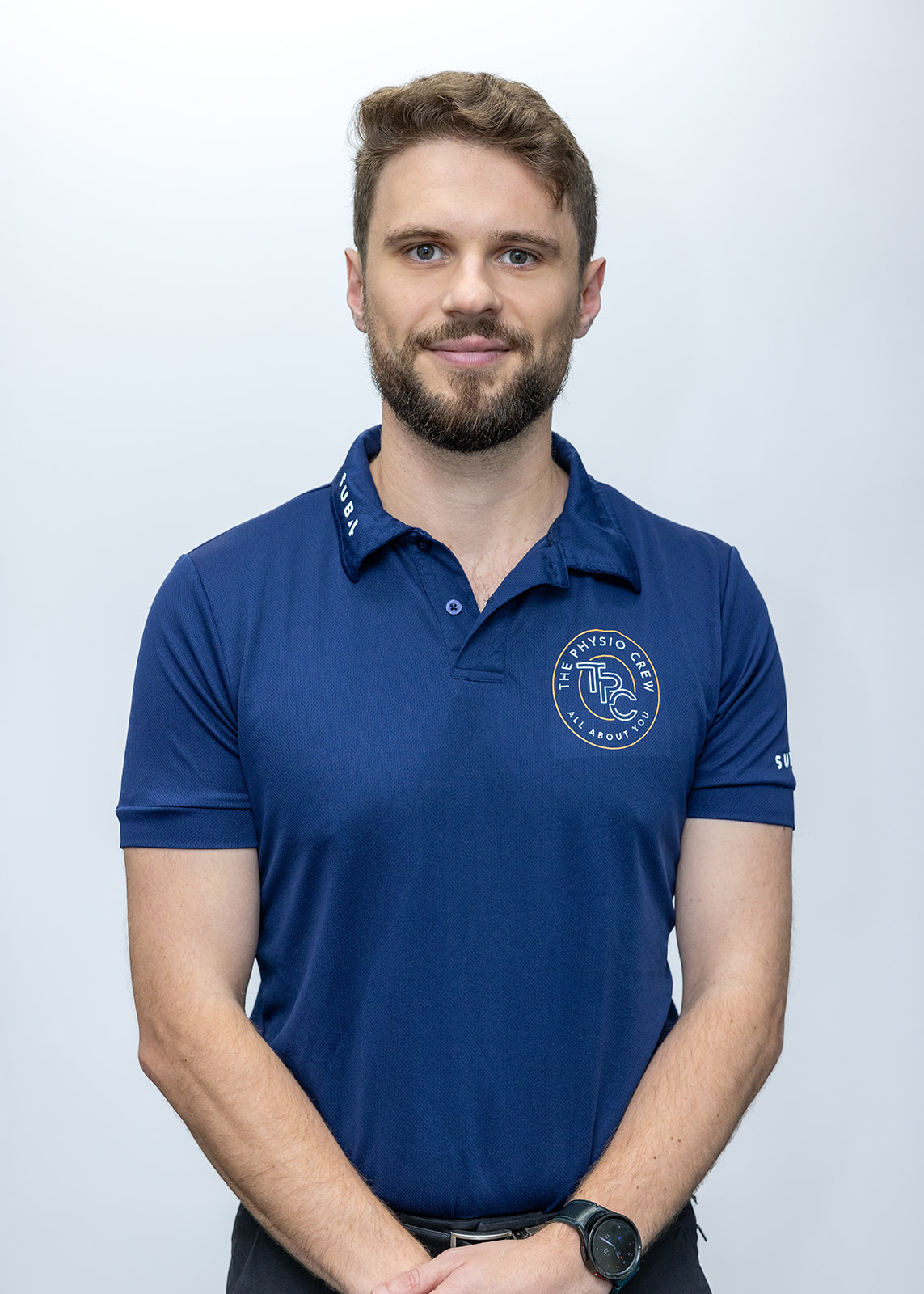
We are incredibly proud to share that, John Orban, has recently completed his Masters of Sports and Exercise Physiotherapy and is now recognised as an APA Titled Sports Physiotherapist.
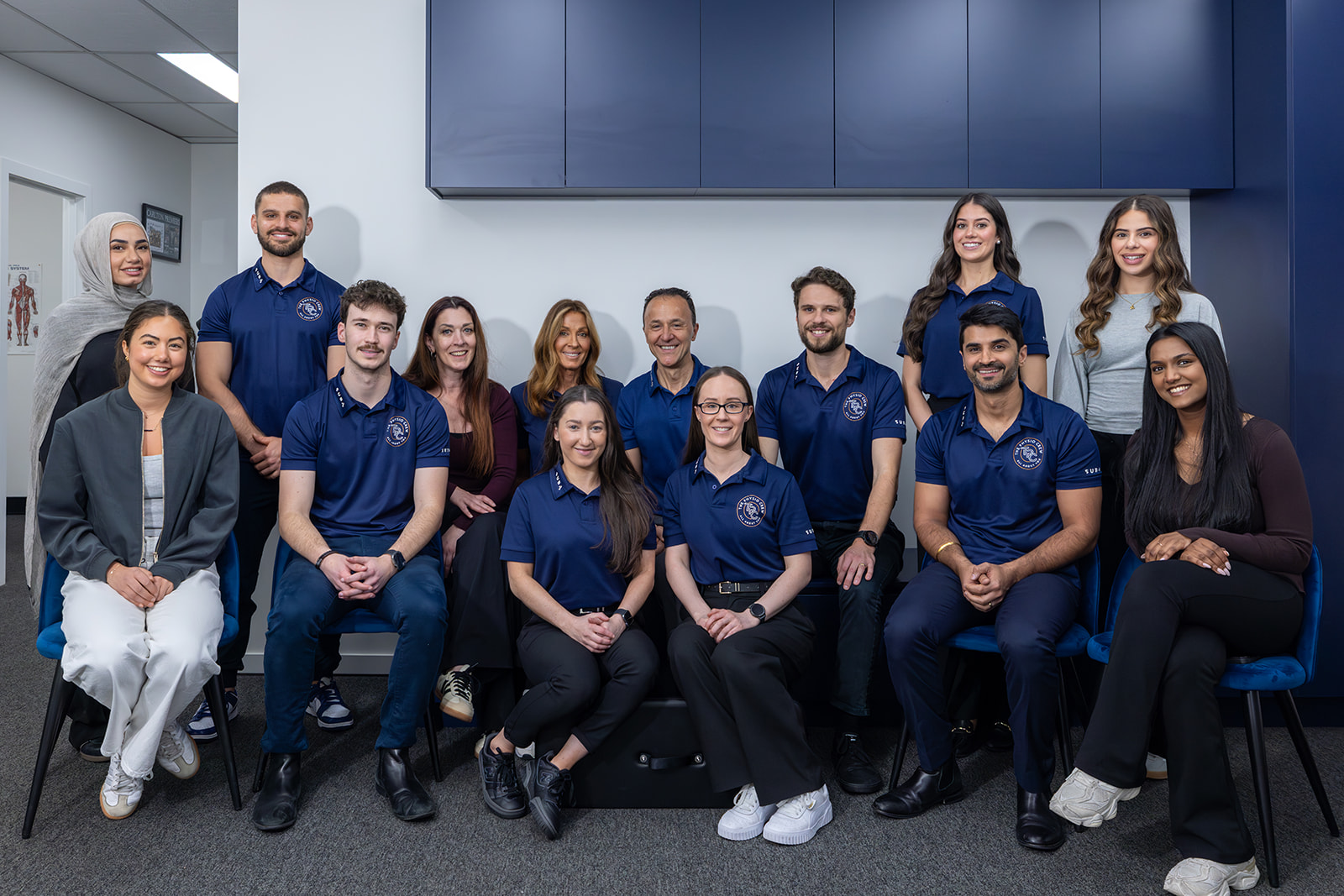
We believe successful physiotherapy is not just about treating injuries, it’s about treating people. We make sure your goals, lifestyle and values guide every step of your recovery.
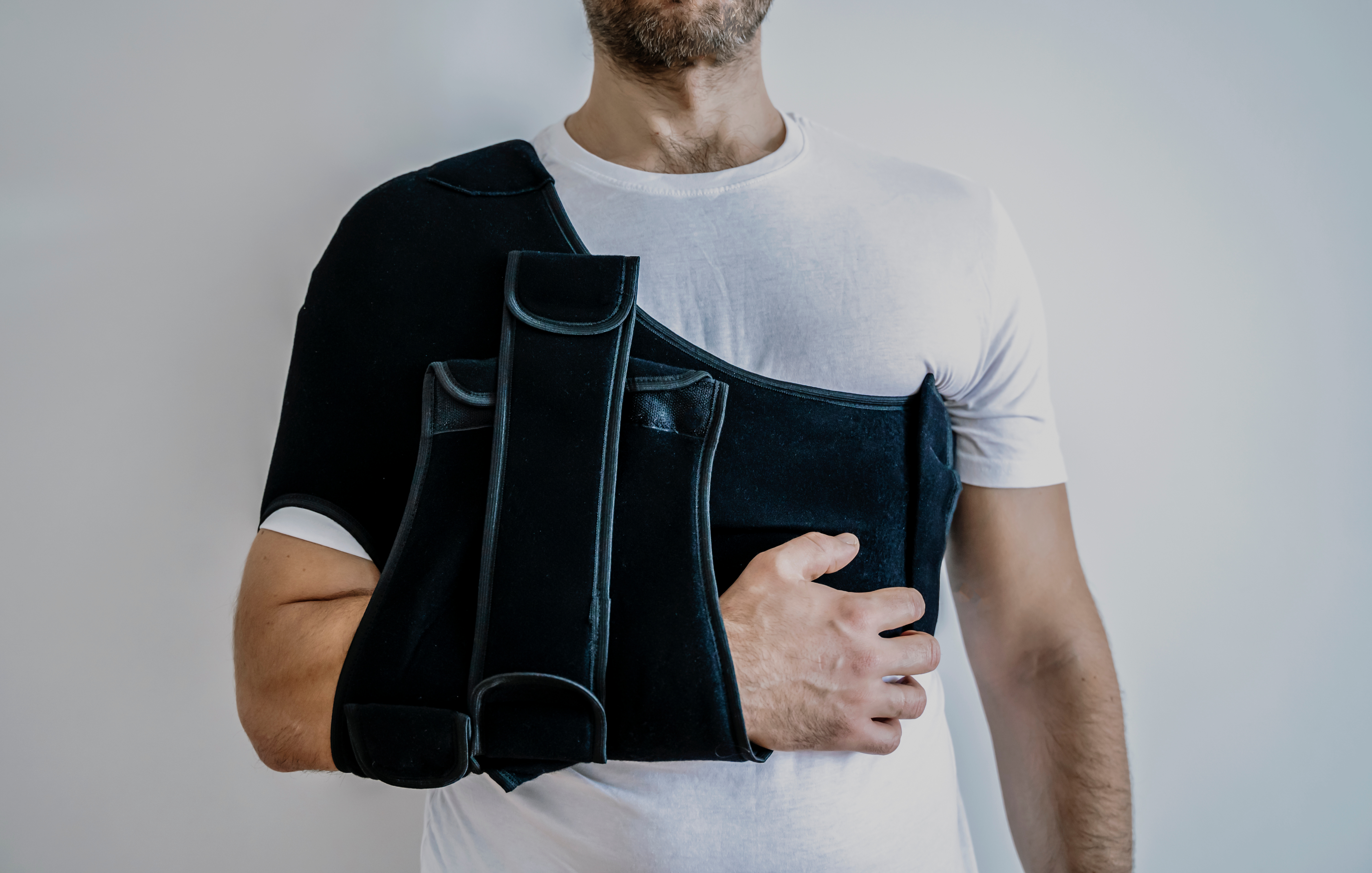
Recent research comparing 1-week vs. 3-week immobilisation following arthroscopic anterior capsulo-labral repair. The findings support shorter immobilisation periods.

Headaches can be debilitating affecting daily activities. Tension-type headaches (TTH), migraines (MH), and cervicogenic headaches (CGH) are the most common types. Manual therapy techniques work.
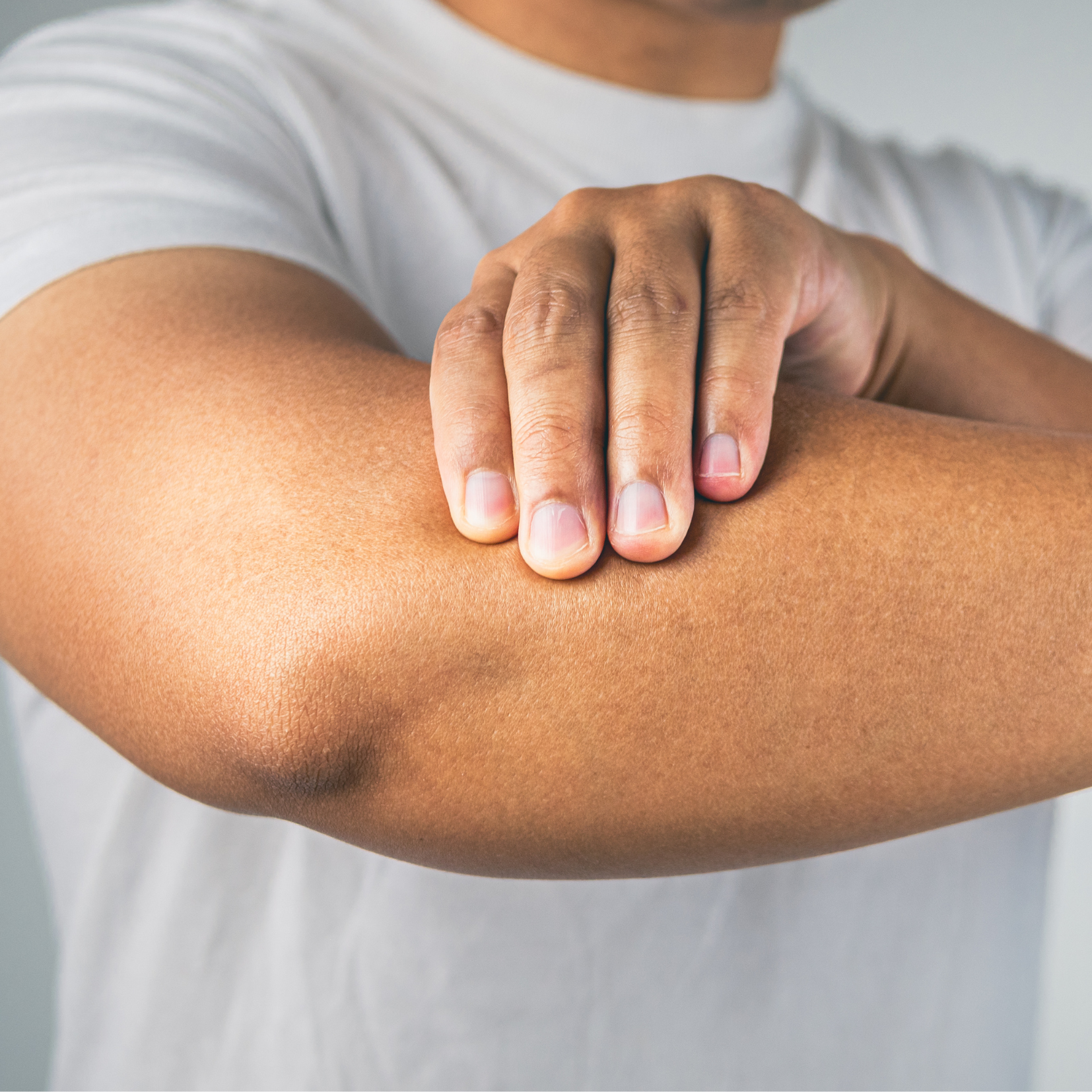
Tennis elbow is a common condition we treat, especially in active adults aged 35 to 65. It causes pain, weakness, and difficulty with gripping or lifting, often affecting everyday function.
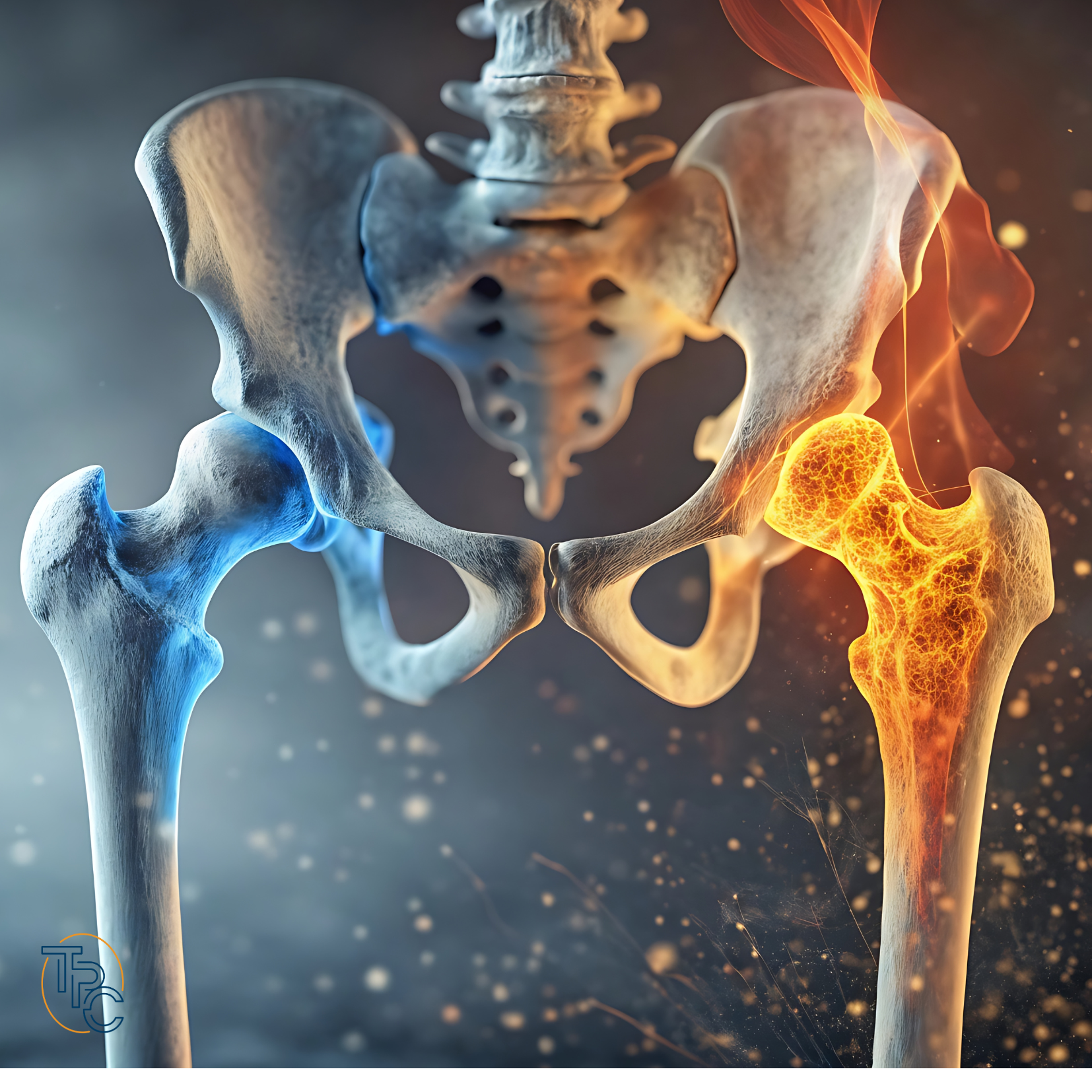
Exercise is a key modifiable factor in osteoporosis and osteopenia for fracture prevention, primarily through improving bone strength, muscle capacity, and reducing falls risk.
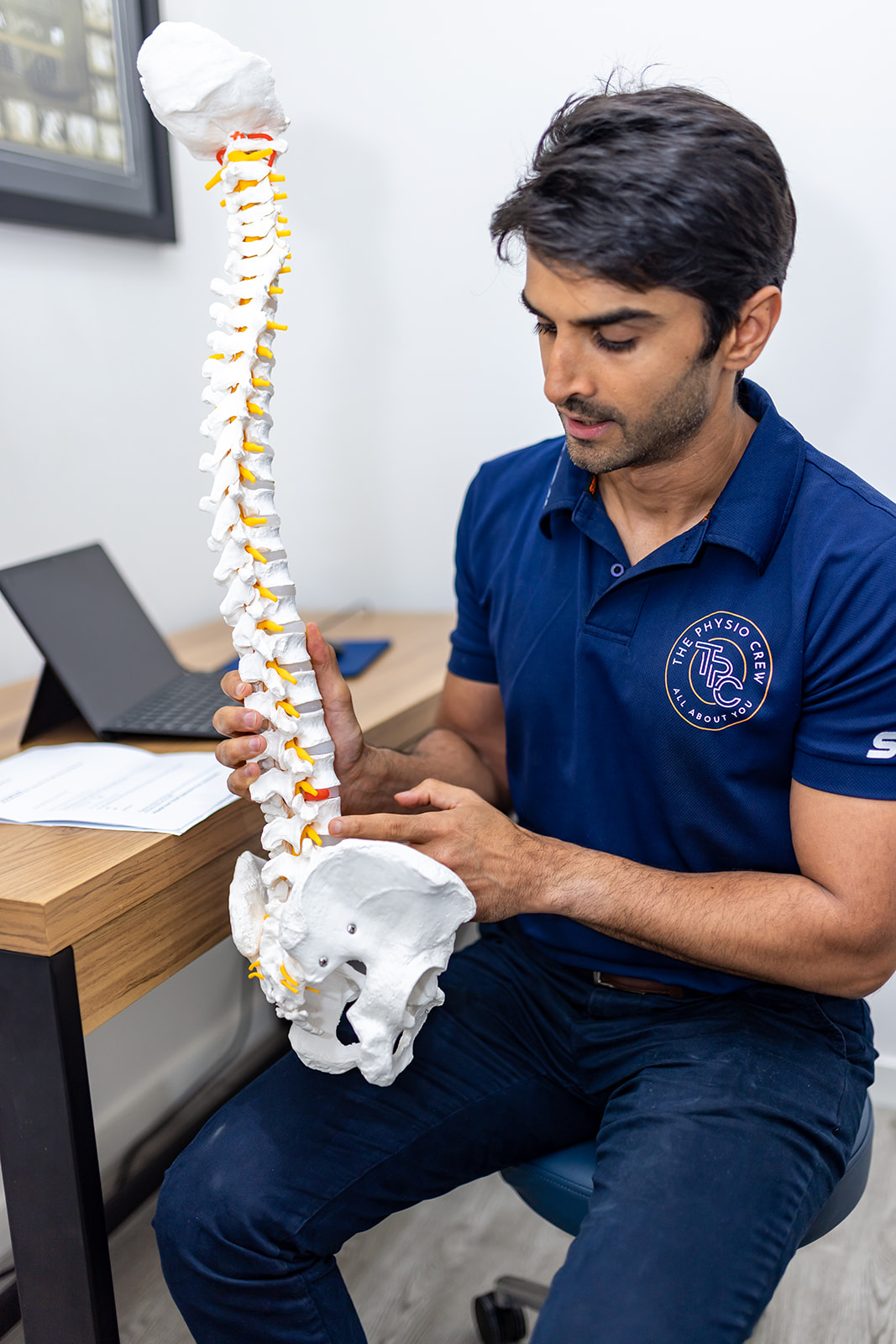
Clinical guidelines regarding the management of non-specific low back pain. Acute low back pain vs chronic low back pain.
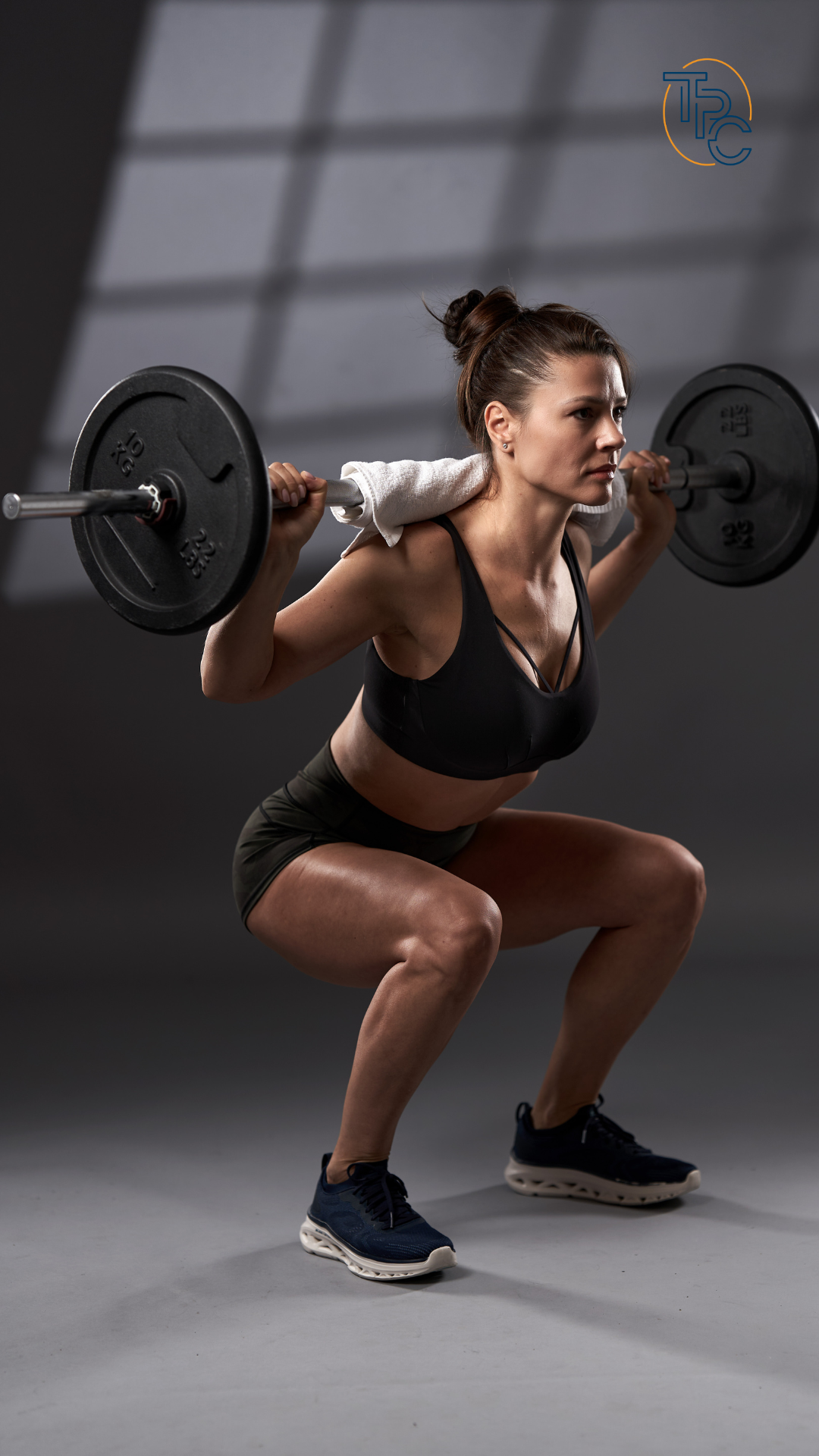
Iliotibial Band Syndrome (ITBS) is one of the most common causes of lateral knee pain, especially in runners and active individuals.
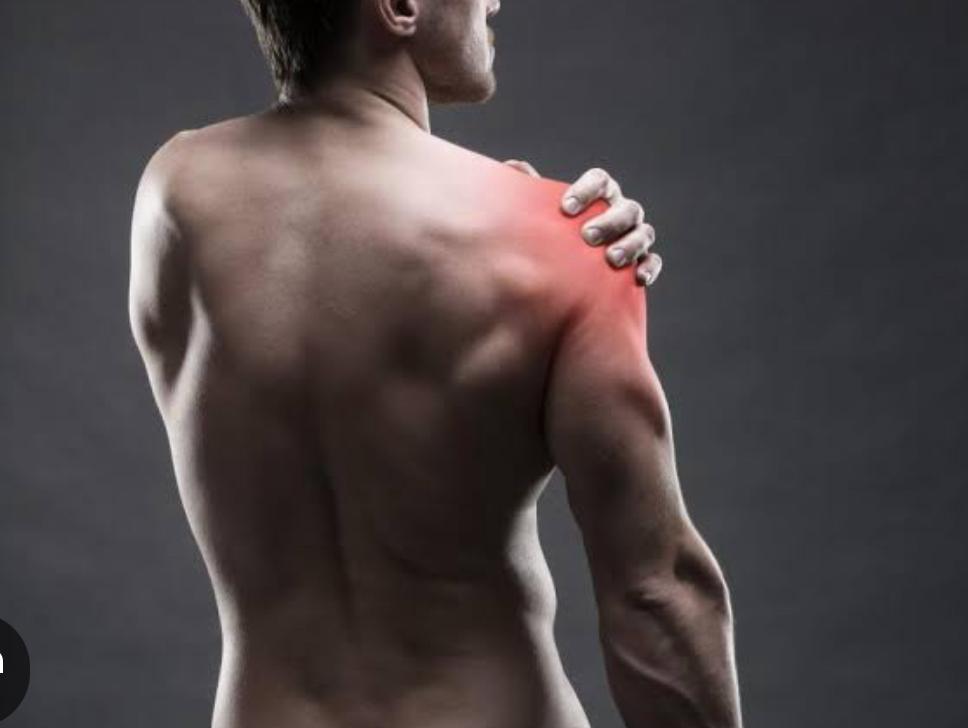
This consensus statement provides evidence-based recommendations for the prevention, rehabilitation, and return-to-sport (RTS) process following shoulder injuries in athletes.
Whether you’re experiencing lower back pain from sitting at a desk all day, manual labour, Sports related LBP or a chronic condition like sciatica, we can help.
Patellar tendinopathy, commonly known as "jumper’s knee," is a frequent issue among athletes, active individuals, and post-ACL reconstruction patients.
While many athletes push through minor aches and pains ("niggles"), new research suggests that these small complaints significantly increase the risk of a serious injury.

Headaches can be debilitating, affecting daily activities, work productivity, and overall quality of life. Tension-type headaches, migraines, and cervicogenic headaches are the most common types.
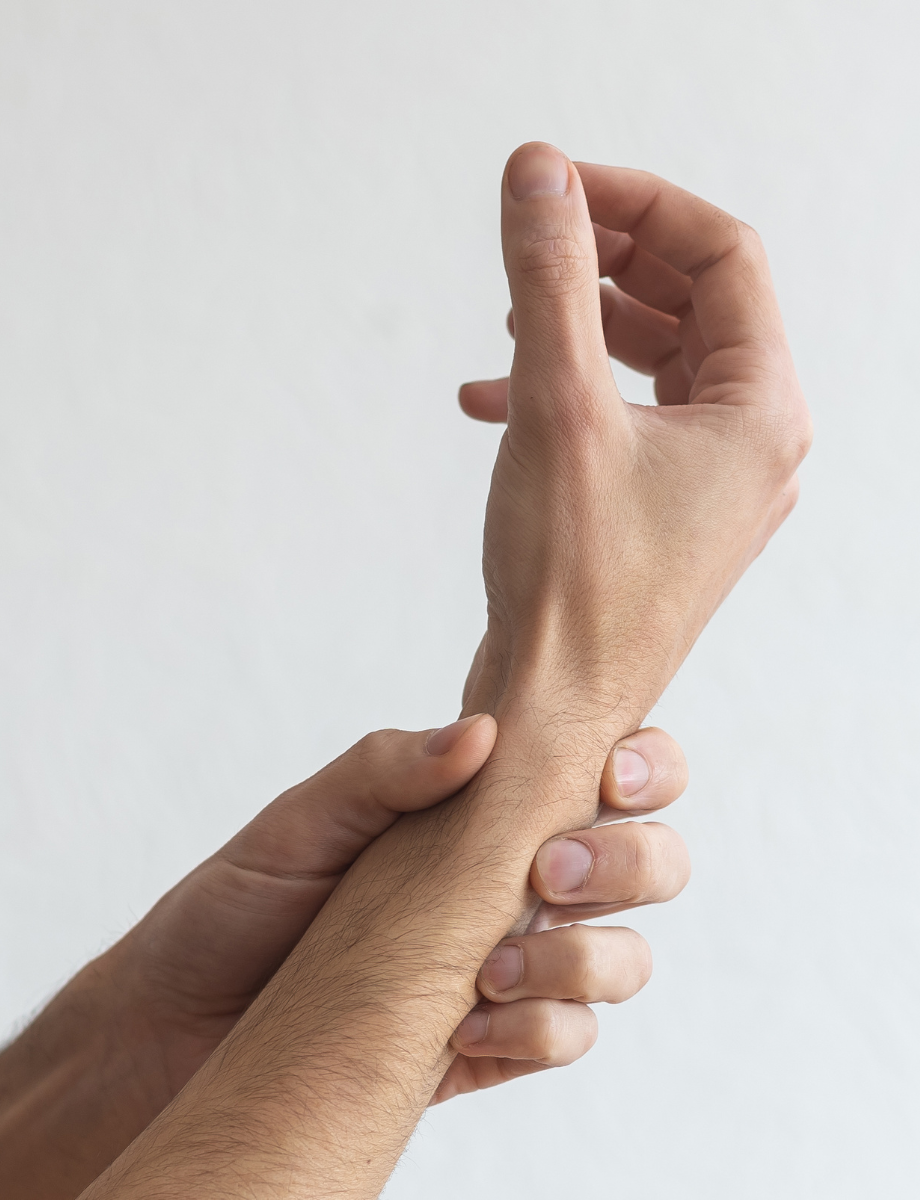
Carpal Tunnel Syndrome is a common wrist & nerve condition that causes pain, tingling, and weakness in the hands and wrists.
Understanding Tissue Recovery for Smarter Rehab and Training. One of the most common mistakes athletes and rehab clients make is not giving their body enough time to recover between sessions.
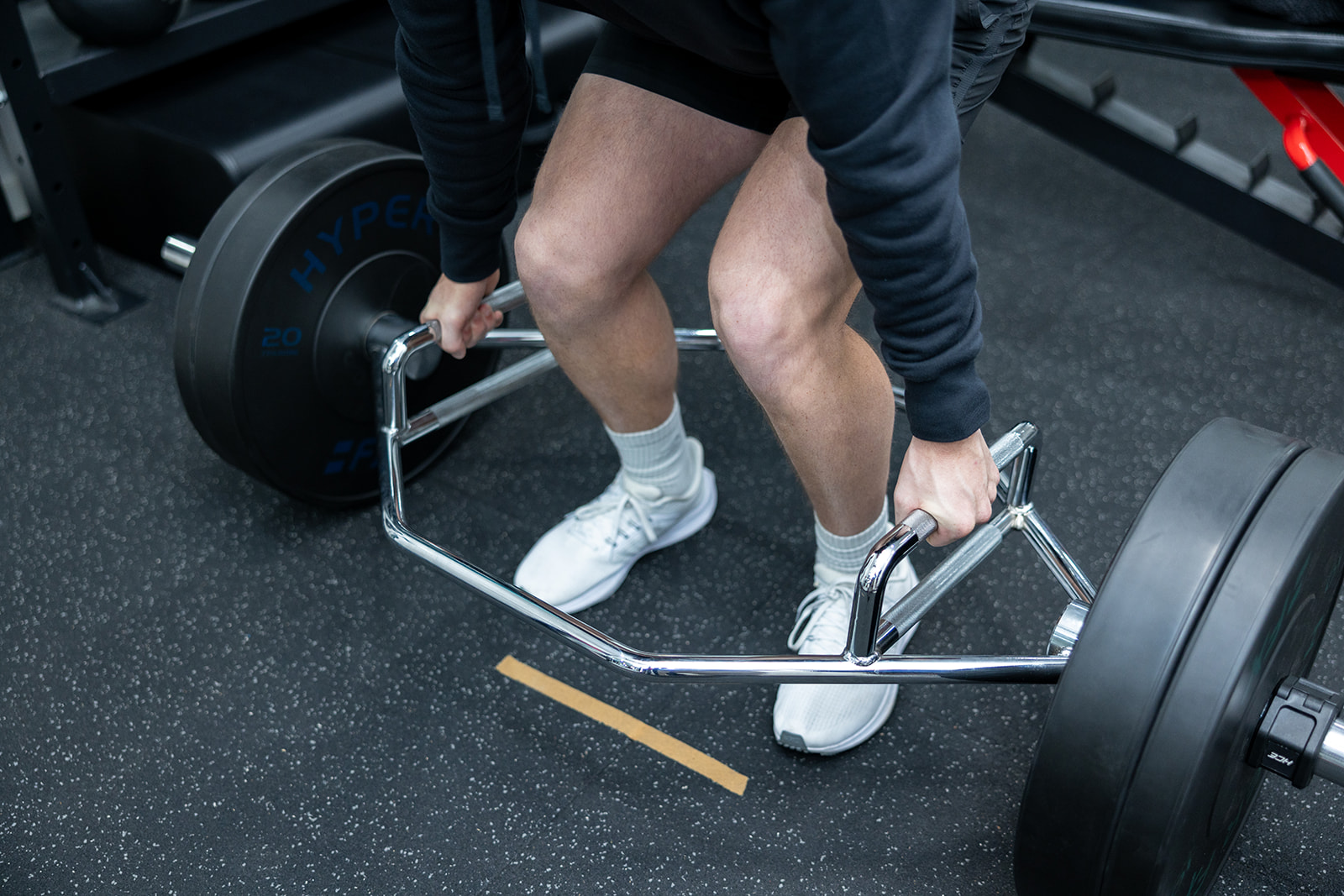
Anterior knee pain, known as patellofemoral pain, can impact daily life significantly. The good news is that exercise has proven to be a game-changer for this condition
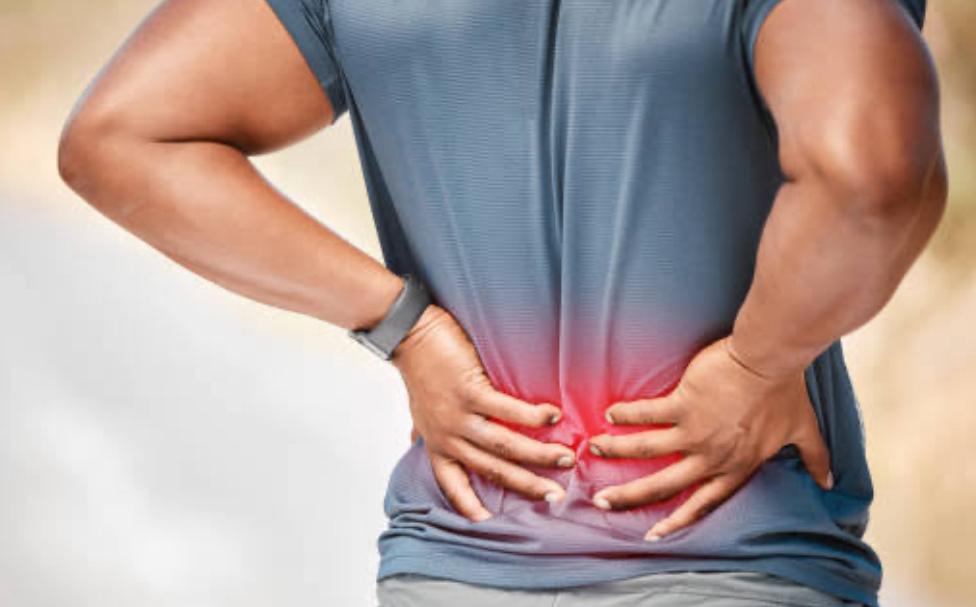
A 2018 study found that low back pain was the leading cause of disability globally, with a significant impact on individuals and the healthcare system.

The sciatic nerve is the largest and longest nerve in the body, and is made up of five nerve roots that exit the lower spinal column and merge to form the sciatic nerve.
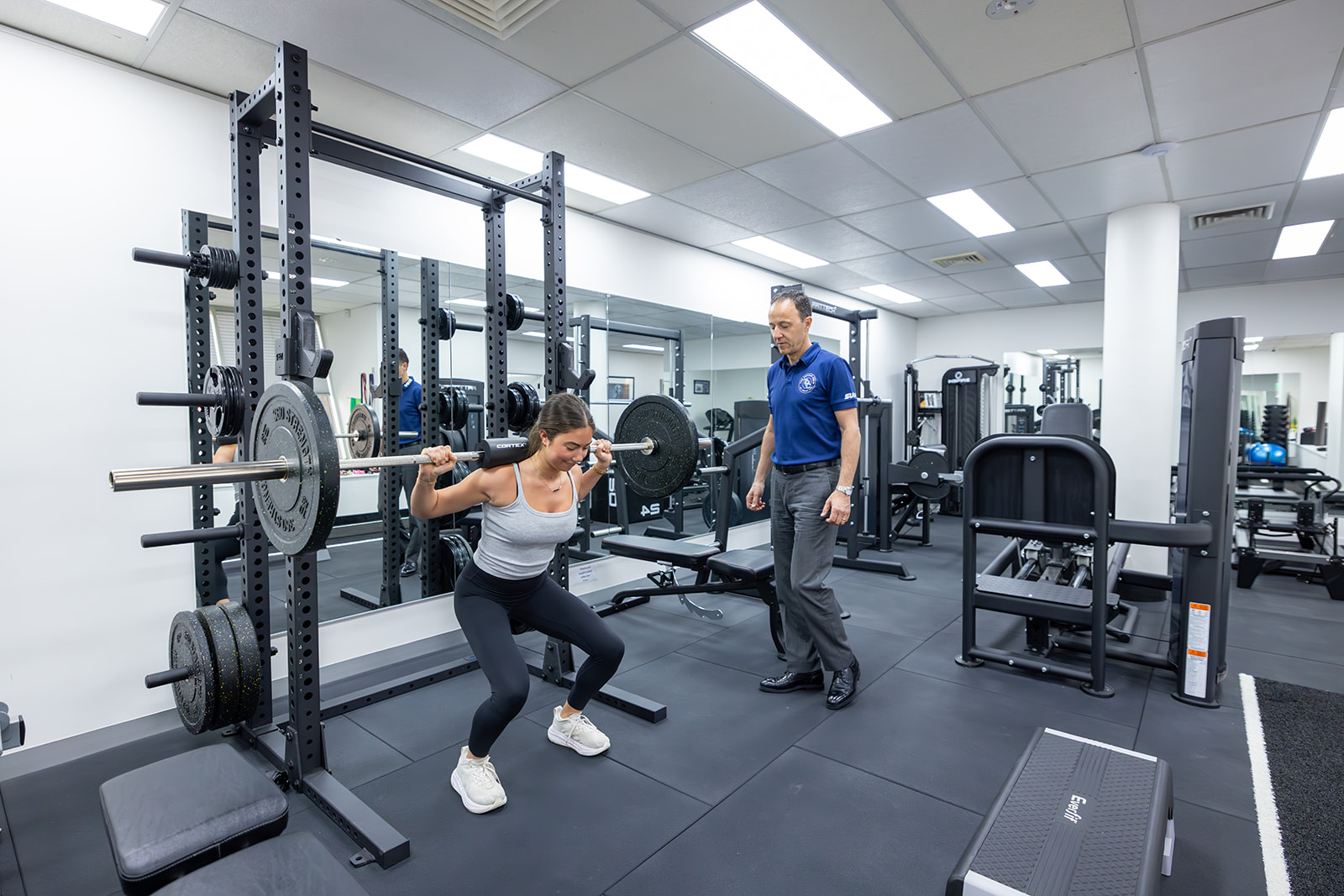
Muscle strengthening interventions are a foundation of physiotherapy recommendations to improve knee symptoms and functional disability.

Shoulder bursitis is a condition in which one or more of the small fluid-filled sacs called bursae in the shoulder joint become inflamed or irritated.
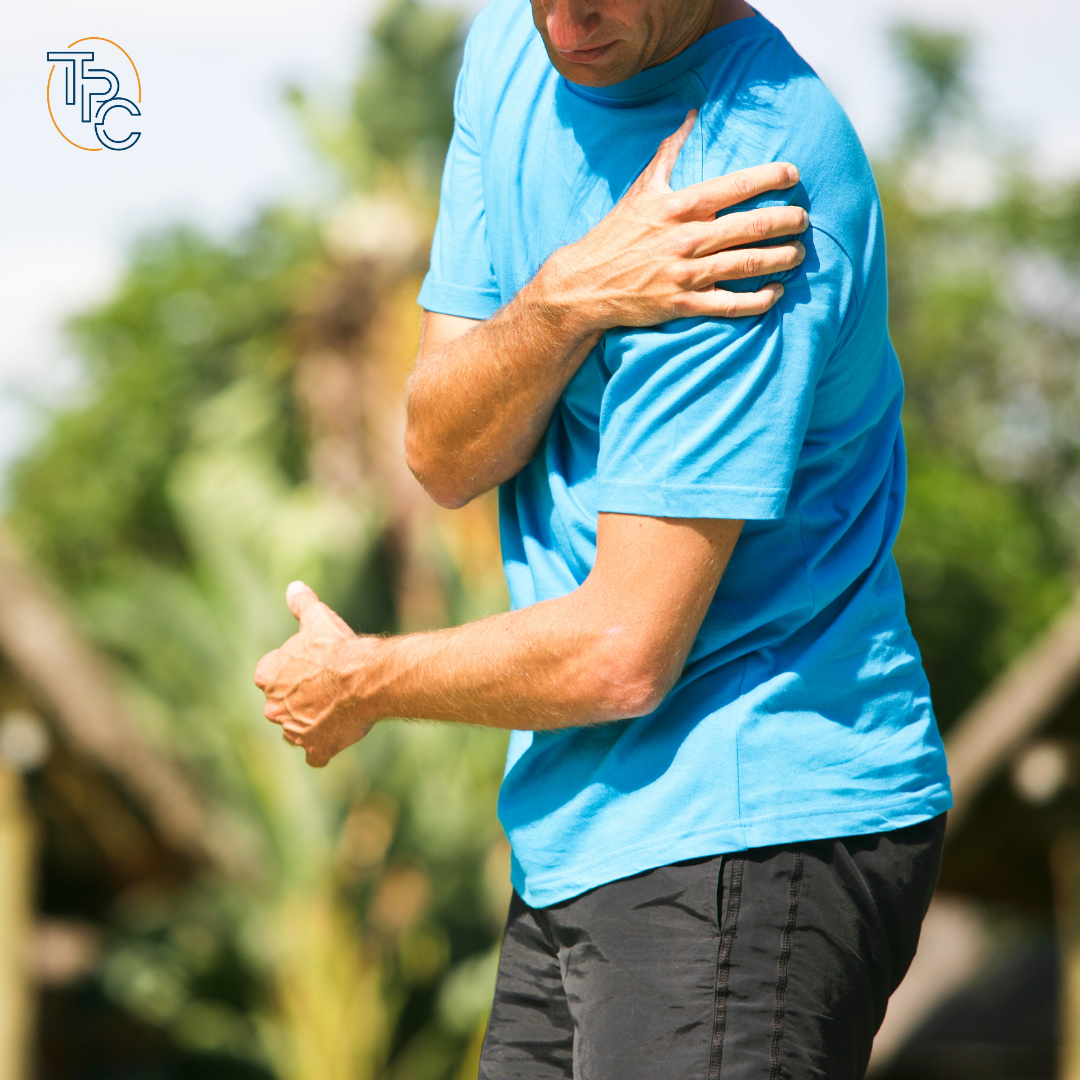
Corticosteroid injection and physiotherapy are common treatments for shoulder pain, especially shoulder impingement and shoulder bursitis.
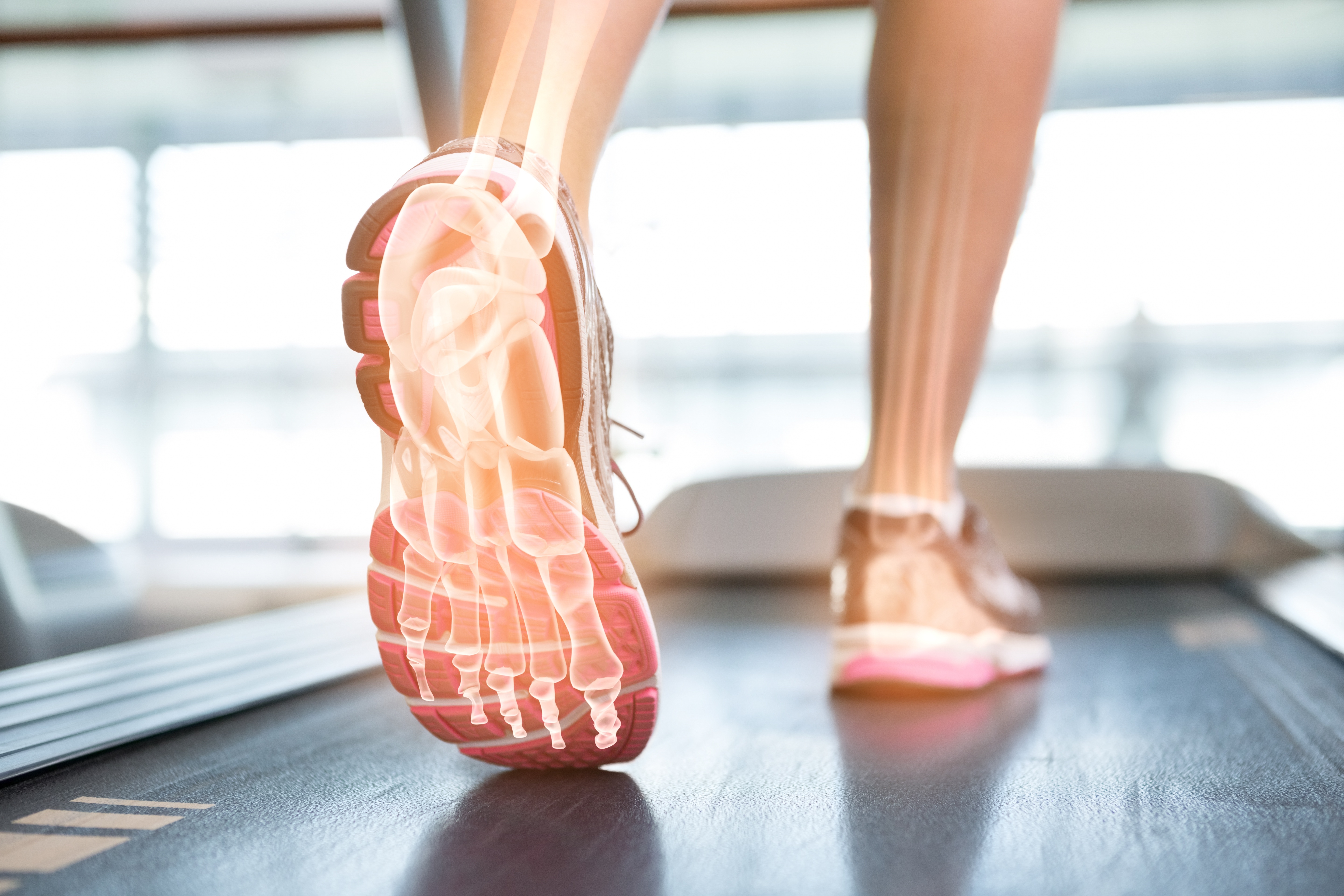
Plantar fasciitis is a common and often disabling condition. It is caused by repeated stress and strain on the plantar fascia, leading to inflammation.

Jumper's knee is a condition among young athletes involved in activities that require repetitive jumping, landing and change in direction.
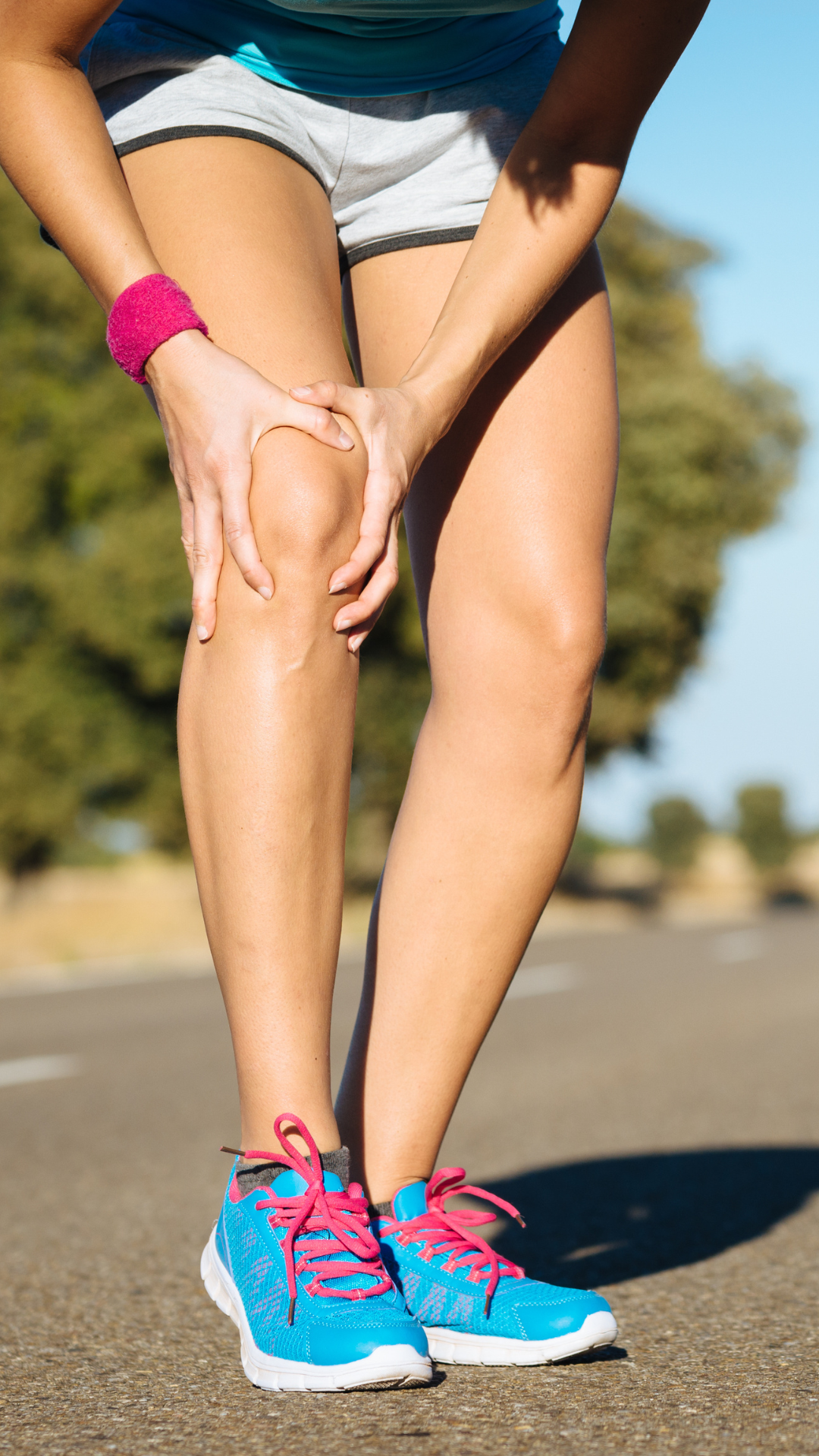
Patellofemoral joint (Kneecap) pain, is a common condition among people, particularly those involved in activities that require repetitive knee movements and high impact.
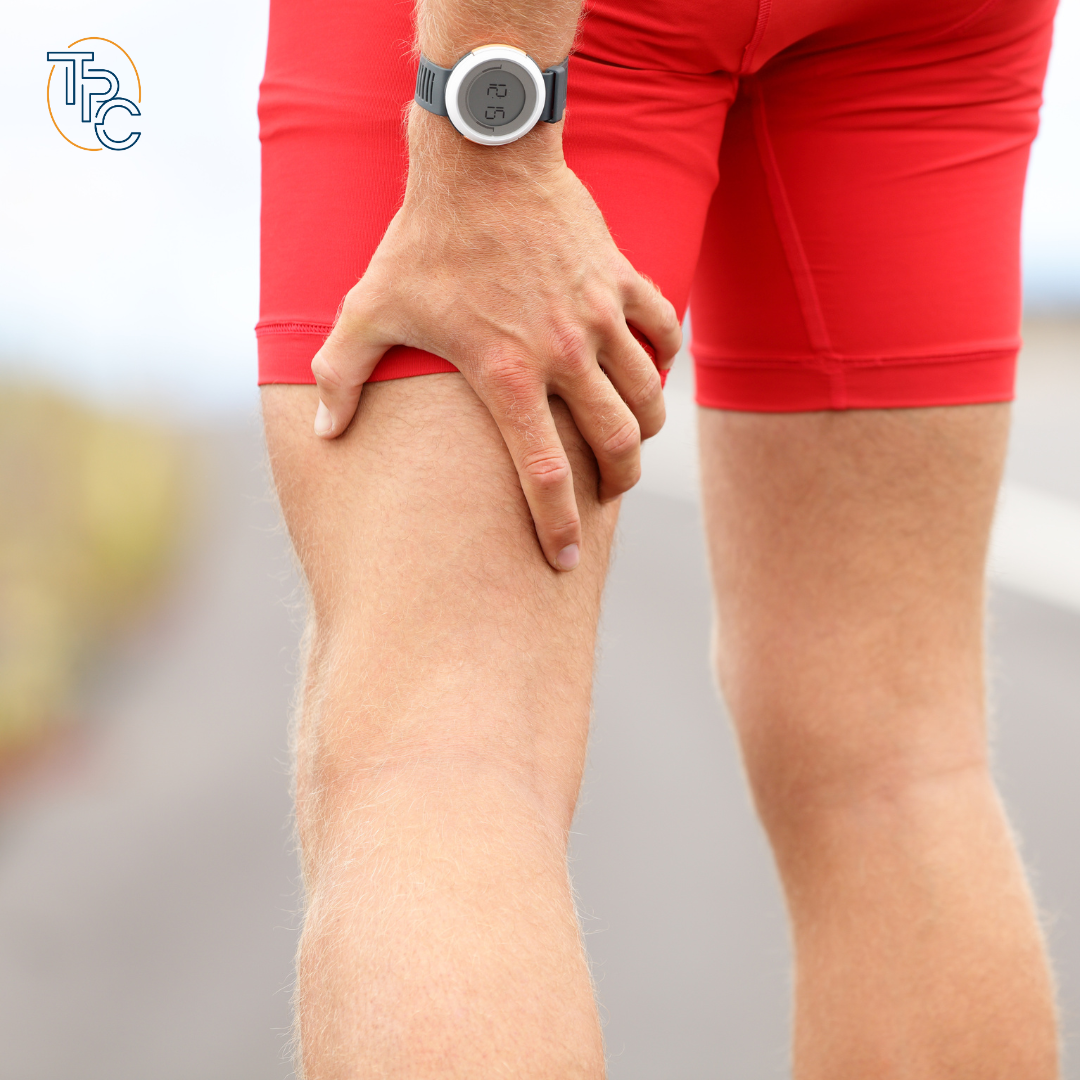
Hamstring injuries are one of the most common muscle injuries in the AFL and local footy. Unfortunately, they have a high rate of recurrence.

Incorporating these anti-inflammatory foods into a well-balanced diet can be beneficial for overall health and reducing inflammation in the body.