
Patellar Tendon Load Progression During Rehabilitation
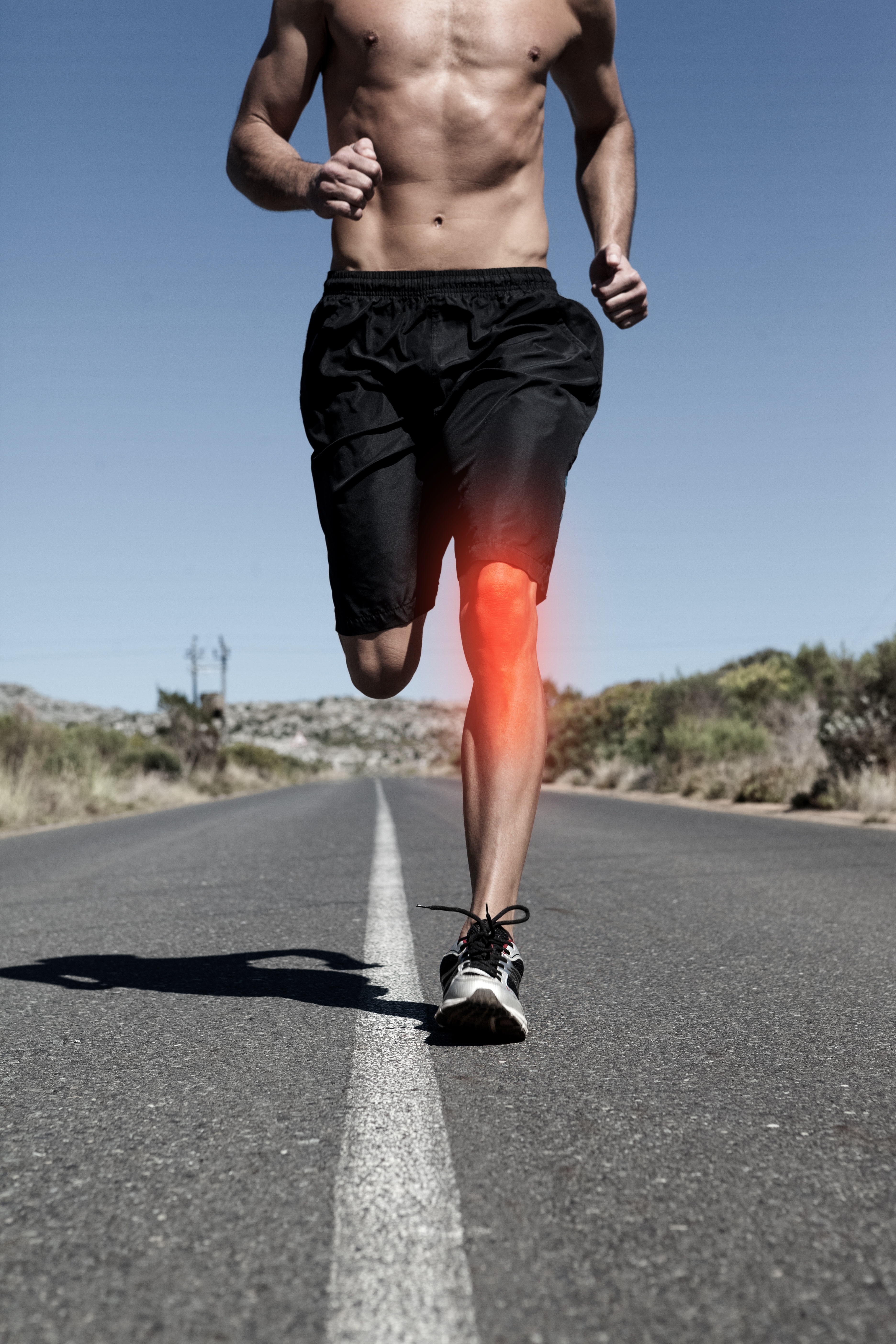
Patellar tendinopathy, commonly known as "jumper’s knee," is a frequent issue among athletes, active individuals, and post-ACL reconstruction patients. Managing tendon loading during rehabilitation is crucial to prevent overloading, avoid reinjury, and promote optimal healing.
A recent study has provided valuable insights into patellar tendon load progression during rehabilitation exercises. At The Physio Crew in Tullamarine and Carlton, we incorporate the latest research-backed methods to ensure safe and effective recovery for our patients.
The study developed a Patellar Tendon Loading Index, categorising 35 lower-body exercises into low, medium, and high load levels. This classification is based on:
✔ Biomechanical analysis (joint angles, movement patterns)
✔ Force plate data (load distribution and stress on the tendon)
1. The Single-Leg Decline Squat (SLDS) placed the highest load on the patellar tendon, even higher than running.
2. Squat depth matters – squatting to 60° knee flexion produced half the tendon load compared to full-depth squats (~100°).
3. Exercise selection should be progressive – patients should gradually increase load intensity to avoid re-injury.
4. Load variables (sets, reps, speed, tempo) are more important than just exercise selection.
If you’re dealing with patellar tendon pain, our evidence-based approach will help you recover faster and stronger.
Visit us at:
Tullamarine Clinic: 1/191 Melrose Drive, Tullamarine, 3043
Carlton Clinic: 2/221 Drummond Street, Carlton, 3053
Call Now to Book:
Tullamarine: 03 9116 8691
Carlton: 03 9116 8693
Or Book Online at thephysiocrew.com.au
TPC