
Bench Press Shoulder Pain: Why It Happens
Need help with this? Book a physio at The Physio Crew Keilor.
Book Now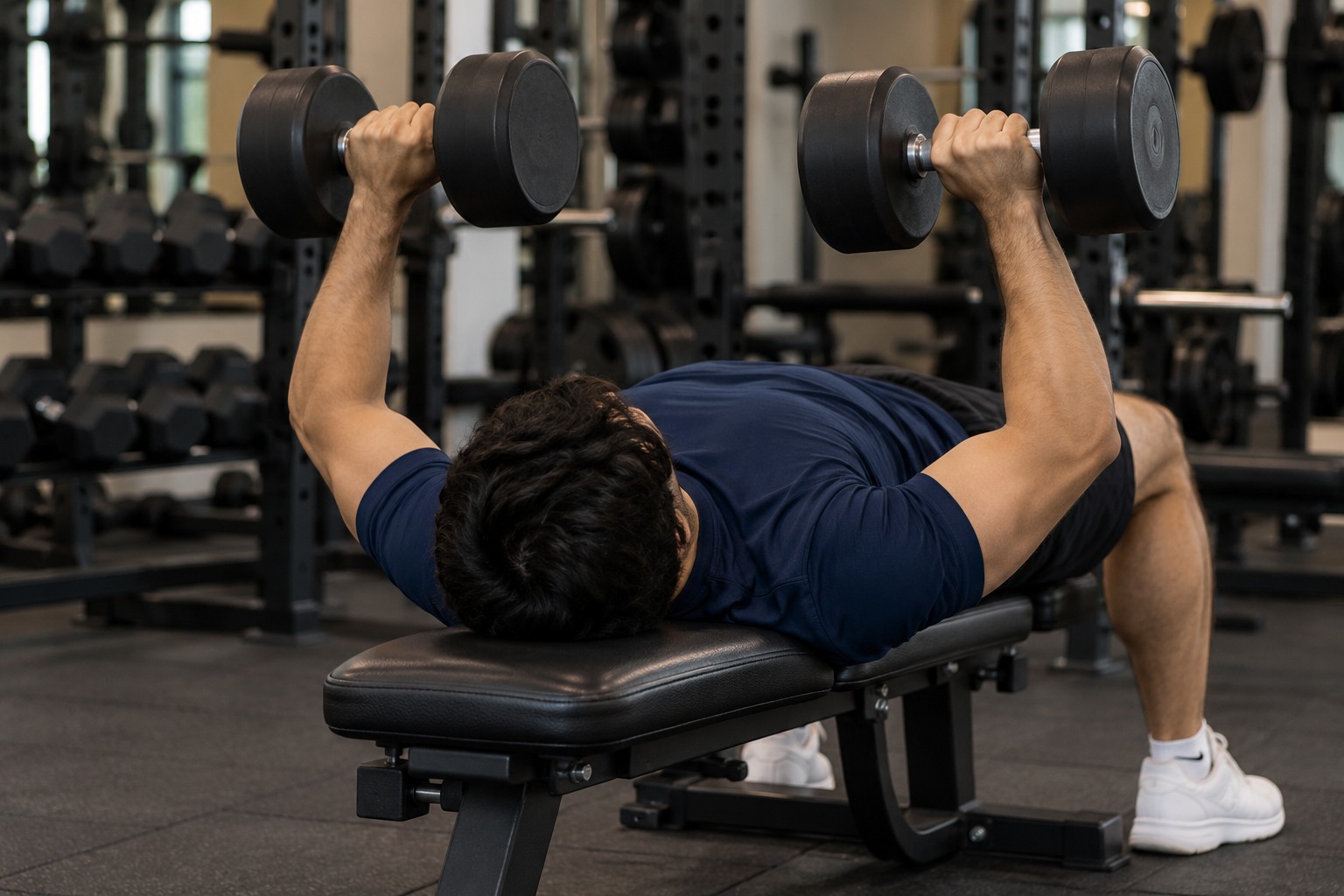
Why Your Shoulder Hurts on Bench Press, and How to Keep Training
THE PHYSIO CREW · SHOULDER SERIES: PART 7 OF 9
Most bench press shoulder pain is a set-up and load problem, not a reason to stop lifting
Bench press is one of the most common reasons people walk into our clinics with a sore shoulder. Usually it's not a dramatic injury. It's a shoulder that started grumbling at the bottom of the lift a few weeks ago and hasn't let up.
The good news is that most of the time this is a set-up and load problem. The less good news is that pushing through it rarely makes it go away on its own.
Where the Pain Usually Comes From
The bottom of the bench press puts a lot of load through the front of the shoulder, with the bar close to the chest and the upper arm behind the body. Common sources of pain include:
The front of the shoulder, including the long head of biceps tendon
The AC joint, the small joint on top of the shoulder where the collarbone meets the shoulder blade, often sore with deep pressing and dips
The rotator cuff, which we covered in Parts 2 and 6
A pec or shoulder strain, usually a sudden sharp pain during a heavy set
The Training Patterns We See Most
Load or weekly sets going up faster than the shoulder can adapt
A very wide grip, which increases load at the front of the shoulder
Elbows flared out to 90 degrees from the body
Losing shoulder blade position at the bottom of the lift, the control piece from Part 3
Pressing several times a week with little recovery in between
What We Usually Change First
You don't always need to stop lifting. While things settle, we'll often look at:
Bringing your grip in slightly and keeping elbows around 45 to 60 degrees from the body
Limiting depth for now with a floor press or board press
Swapping to dumbbells or a neutral grip so the shoulder can find a more comfortable path
Dropping the load and slowing the lowering phase
Cutting pressing frequency and volume for a few weeks
Building pulling, rotator cuff and shoulder blade strength alongside
A useful rule of thumb: mild discomfort that settles within 24 hours is usually fine. Pain that's sharp, builds through the session or is worse the next day means the load needs adjusting.
Getting Back to Full Bench
Once symptoms settle, we build you back towards your normal lift in stages, adding depth, then load, then volume. At our clinics, dynamometry gives a side-to-side number for shoulder rotation strength, so the decision to push heavier again is based on data rather than how one good session felt. It's the same criteria-based approach from Part 5, applied to the bench.
When to Stop and Get It Checked
A sudden pop or sharp pain at the front of the chest or armpit during a heavy set, especially with bruising or a change in the shape of the chest
Weakness lifting the arm or rotating it outwards
Pain at night or at rest
No improvement after two to three weeks of modified training
A Few Things Worth Unlearning
"If it hurts, I just need to stop benching altogether."
Most people can keep pressing with changes to grip, depth, load and frequency while the shoulder settles.
"A bit of pain means I'm getting stronger."
Muscle fatigue is normal. Joint pain that builds through a session is a signal to adjust, not to push.
"Once it stops hurting, I can go straight back to my old numbers."
Strength and tolerance at the bottom of the lift usually need rebuilding before you return to your previous loads.
A Quick Self-Check (Not a Diagnosis)
Has your bench volume or load gone up noticeably in the last month?
Does the pain sit at the front or top of the shoulder at the bottom of the lift?
Is it worse the day after pressing?
Have you changed anything about your set-up since it started?
If you answered yes to a couple of these and haven't changed anything yet, it's worth having your shoulder and your lift properly looked at.
Want to keep lifting while your shoulder settles?
Book a shoulder assessment at our Keilor, Tullamarine or Carlton clinic. Our rehab gyms mean your plan can include the lifts you want back.
Frequently Asked Questions
Why does the front of my shoulder hurt when I bench press?
The bottom of the bench press places high load on the front of the shoulder. Wide grips, flared elbows, rapid increases in load and losing shoulder blade position are common contributors.
Should I stop bench pressing if my shoulder hurts?
Not always. Many people can keep training with changes to grip, depth, load and frequency. Stop and get assessed if pain is sharp, builds during sessions, or comes with weakness or night pain.
Is dumbbell press better for shoulder pain?
Dumbbells often feel more comfortable because the shoulder can move in a more natural path. They're a common short-term swap while symptoms settle.
What is AC joint pain from bench press?
The AC joint sits on top of the shoulder where the collarbone meets the shoulder blade. Deep pressing and dips can irritate it, causing pain on top of the shoulder.
Do I need a referral to book a shoulder assessment?
No referral is required. You can book directly at any of our clinics.