
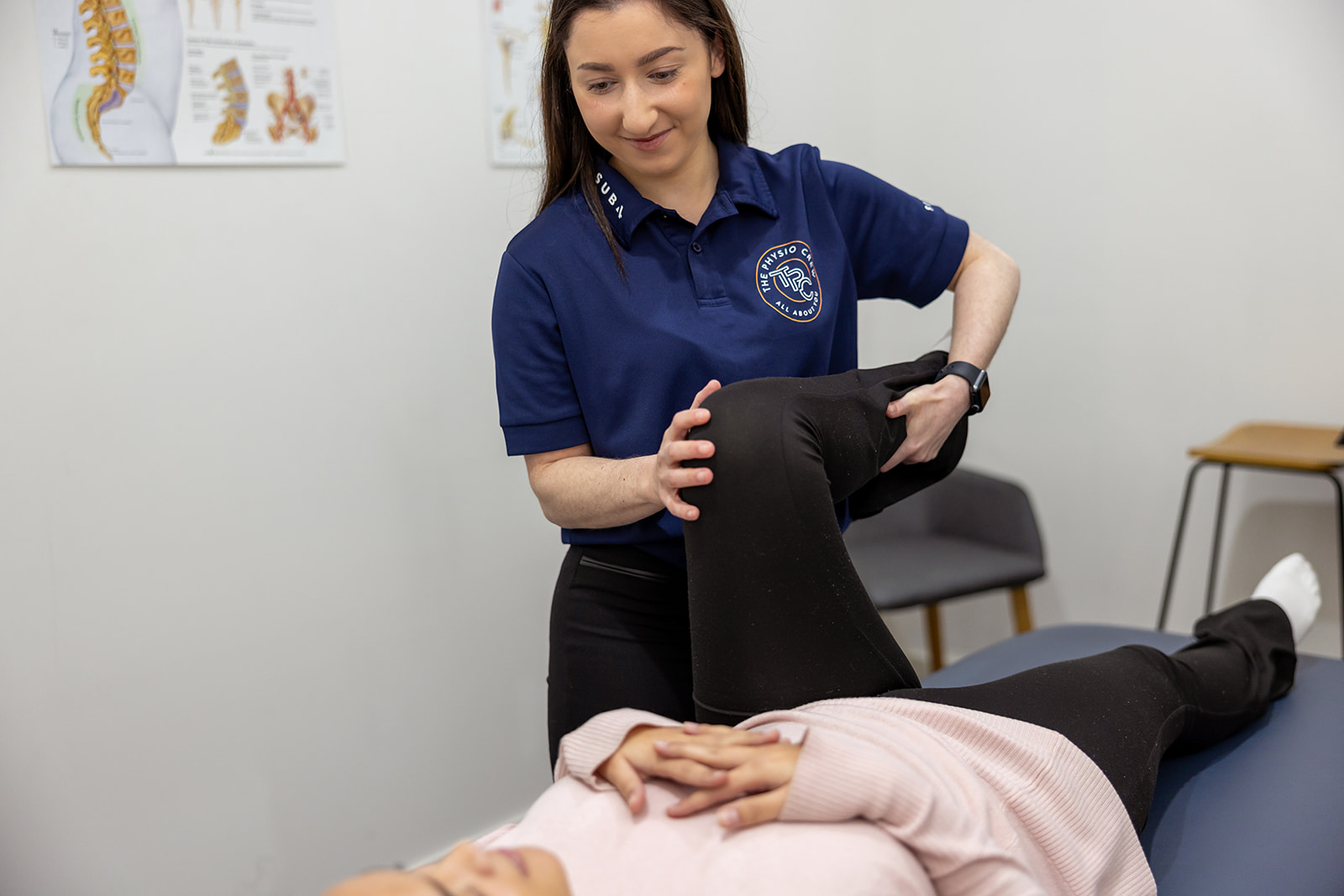
Headache and Migraine Physiotherapy in Melbourne
Some headaches are linked to the neck. Our physiotherapists assess whether your neck and upper back are contributing to your headaches, and if they are, treat them with hands-on care, exercise and practical advice. For migraine, physio works alongside your GP, not instead of them.
Assessment of your neck and upper back as a possible contributor to your headaches
Screening for warning signs that need medical review before physiotherapy
Hands-on treatment, exercise and practical advice, chosen from your assessment findings
No referral needed for private appointments at Tullamarine, Carlton and Keilor
Headaches physiotherapy can help with
Not every headache comes from the neck, and not every headache is a job for a physiotherapist. These are the headache types where physiotherapy commonly plays a part.
Neck-related (cervicogenic) headache
Headache that is referred from the joints and muscles of the upper neck. It often comes with neck pain or stiffness and can be brought on by certain neck positions, movements or long periods at a desk or behind the wheel. This is the headache type physiotherapy most directly assesses and treats.
Tension-type headache
A pressing or tightening headache, often felt across the forehead, temples or the back of the head. Neck and shoulder muscle tension, posture and workload can play a part, and physiotherapy can address the musculoskeletal side of the picture.
Migraine, alongside your GP
Migraine is a medical condition, and its diagnosis and medication are managed by your GP or specialist. Where neck pain, stiffness or muscle tension is also part of your picture, physiotherapy may help with those as one part of a broader plan agreed with your GP.
How we assess your headaches
Your first appointment is about working out whether your neck is part of the problem. Your physiotherapist explains what they find and what they recommend, including when a GP review is the better next step.
A detailed history of your headaches: where you feel them, how often, how long they last, and what sets them off or eases them
Screening questions for warning signs that need a GP or emergency review instead of physiotherapy
Assessment of neck movement, the joints of the upper neck, and the muscles of the neck and shoulders
A look at posture, workstation set-up, driving, sleep position and daily workload
Treatment approaches commonly used in physiotherapy
Your plan is chosen from your assessment findings, so not every approach below will be right for you.
Hands-on treatment
Manual therapy, including joint mobilisation and soft tissue techniques for the neck and upper back, is commonly used to ease pain and improve movement where your assessment shows the neck is contributing. It is used alongside exercise rather than on its own.

Exercise for the neck and upper back
A graded exercise program to build strength, endurance and control in the deep neck muscles and the muscles of the upper back and shoulders. Exercises are written for you, progressed as you improve, and designed to be done at home or at work.

Posture, workstation and workload advice
Practical advice on the things that load your neck through the day: desk and screen set-up, regular breaks from sustained positions, driving, sleep position and training load. Small changes here often sit alongside treatment in the clinic.
Dry needling, where appropriate
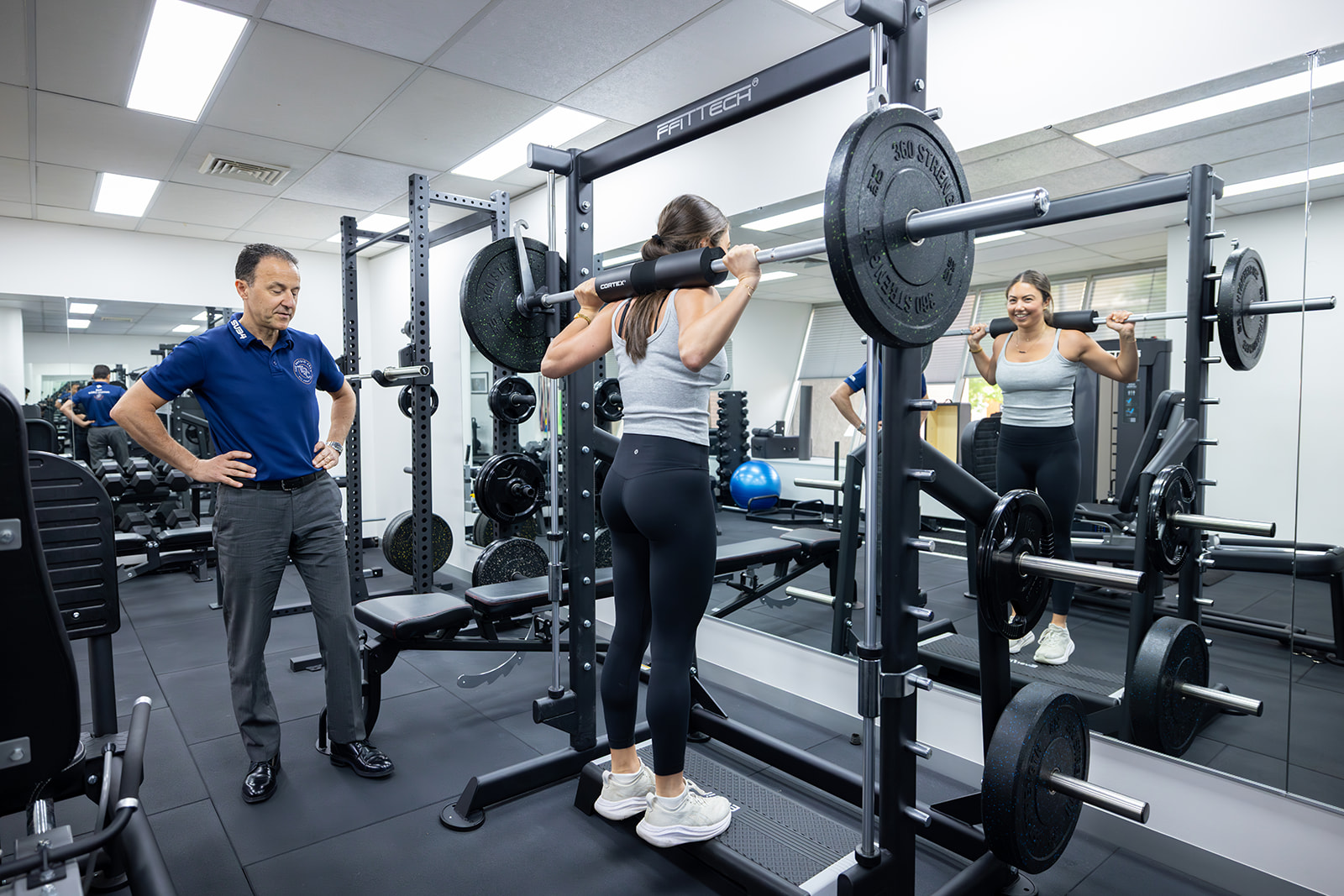
Dry needling may be used to address muscle tension and trigger points in the neck and shoulders. It is one component of a broader treatment plan, not a standalone treatment, and is only used where it is clinically appropriate for you and you are comfortable with it.

When to see a GP or go to emergency
Call 000 or go to emergency
- A sudden, severe headache, the worst you have ever had, that peaks within seconds to minutes
- A headache after a knock to the head, a fall or another head injury
- A headache with fever and a stiff neck, or with a rash
- A headache with weakness, numbness, facial drooping, confusion, loss of balance, changes to your vision or difficulty speaking
- A headache with a seizure or fainting
See your GP first
- A new headache if you are over 50
- Headaches that are getting steadily worse, more frequent, or changing in pattern
- Headaches that wake you from sleep, or are worse when you cough, strain or lie down
- A headache with unexplained weight loss, or if you have a history of cancer or a weakened immune system
- A new or different headache during pregnancy or after giving birth
If you are not sure whether your headache needs medical attention, see a doctor first. If your physiotherapist finds any of these signs during your assessment, they will refer you on.
Headache physio at three Melbourne clinics
Book at whichever clinic is most convenient. All three offer the same services and share the same clinical team.

Headache physio Tullamarine
Unit 1, 191 Melrose Drive, Tullamarine VIC 3043
03 9116 8691Serving Tullamarine, Gladstone Park, Westmeadows, Airport West and Greenvale. Free on site parking.
Physiotherapy Tullamarine
Headache physio Carlton
Unit 2, 221 Drummond Street, Carlton VIC 3053
03 9116 8693Serving Carlton, Parkville, Fitzroy, North Melbourne and Brunswick. Walking distance from the University of Melbourne.
Physiotherapy Carlton
Headache physio Keilor
53 Willys Avenue, Keilor Downs VIC 3038
03 9116 8694Serving Keilor, Sydenham, Taylors Lakes, St Albans and Hillside.
Physiotherapy KeilorBook your appointment
Book online at Tullamarine, Carlton or Keilor, or call the clinic directly and we will find you the next available time. No referral is needed for private appointments.
This page is general information only and is not a diagnosis or a substitute for medical advice. Headaches have many causes. Speak with your GP about any new, severe or changing headache.
Frequently Asked Questions
No, not for private appointments. You can book online or call your nearest clinic. A GP referral is needed if you are using a Medicare EPC care plan, and WorkCover and TAC claims have their own requirements.